Provide Sustainable Electric Bikes For Everyone
Malesuada fames ac turpis egestas. Interdum velit laoreet id donec. Eu tincidunt tortor aliquam nulla facilisi cras.


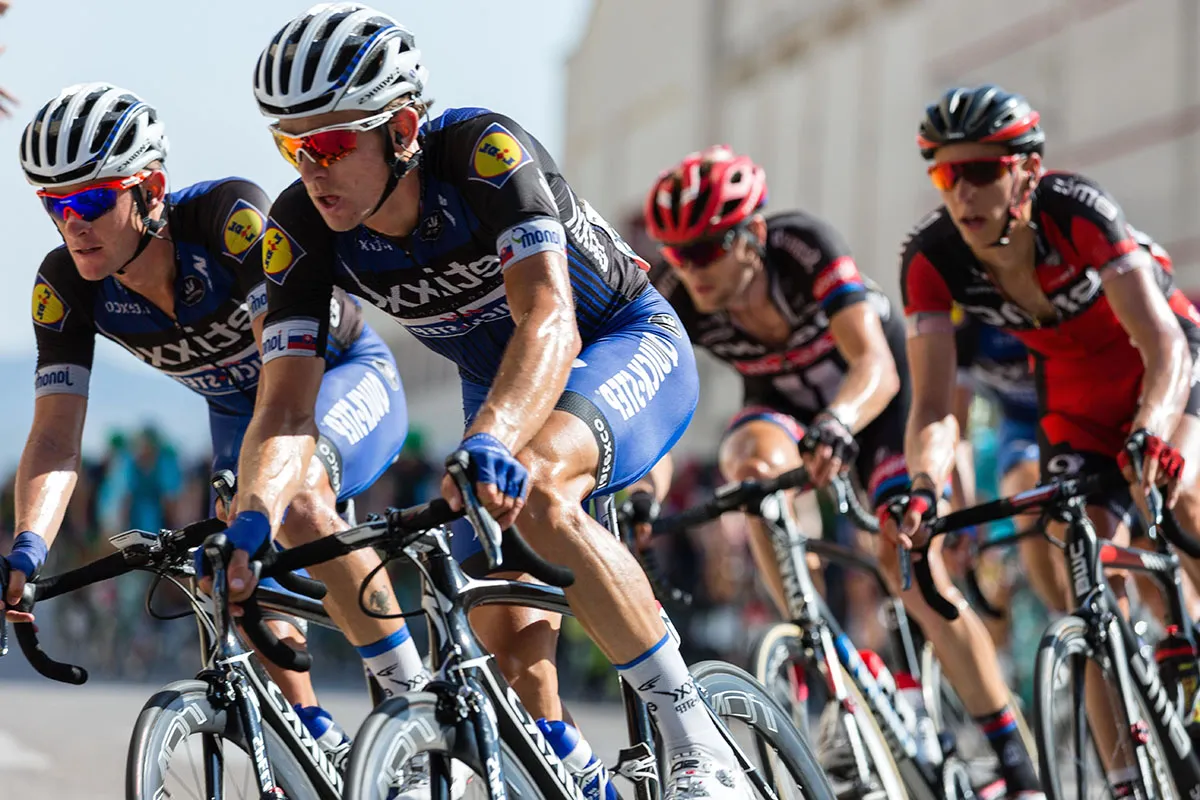
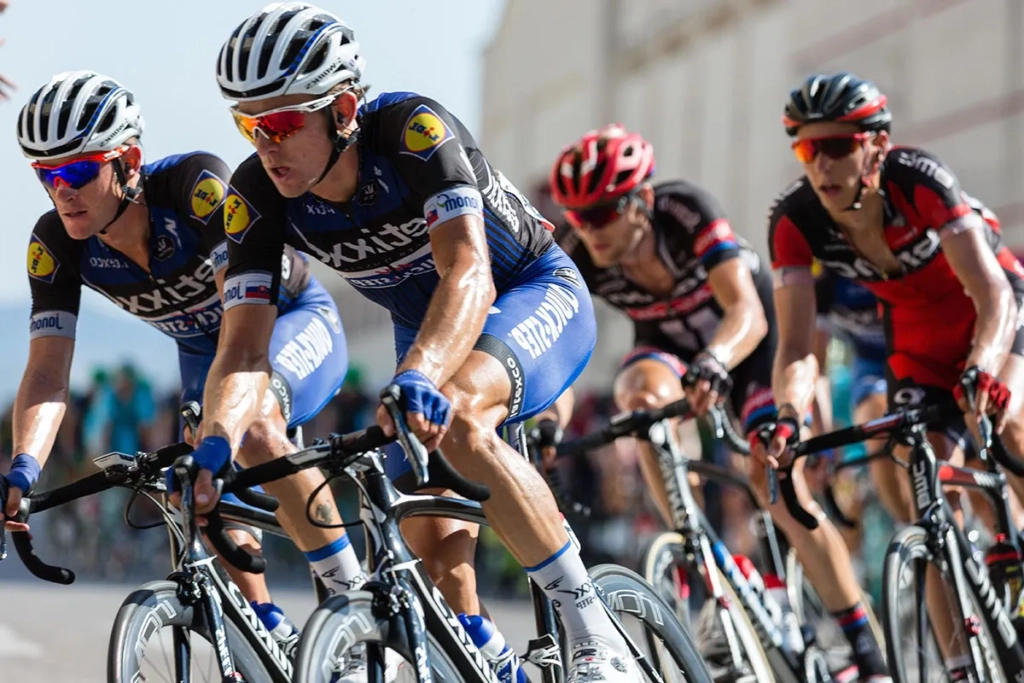
Every cyclist—whether chasing a personal best, competing in a race, or simply looking to ride faster and farther with less effort—aspires to improve their performance. Yet, many focus on the wrong factors: upgrading to expensive components, logging endless miles without structure, or obsessing over gear ratios. The truth is, two elements dictate your cycling performance more than any other: your power output and your aerodynamic efficiency. Together, they form the foundation of fast, efficient riding—far outweighing the impact of fancy equipment or sheer mileage.
As a cycling performance coach and biomechanics specialist with years of experience working with riders of all levels, I’ve seen this firsthand. A cyclist with average fitness but a streamlined, aerodynamic position will outpace a stronger rider with a poor, wind-resistant setup. A rider who trains to boost their sustainable power (watts) will complete long climbs faster and recover better than one who only increases their weekly mileage. This guide demystifies why power and aerodynamics are the most critical drivers of cycling performance, how they work together, and how you can improve both—no matter your skill level or riding style (road, triathlon, gravel, or mountain).
By the end, you’ll understand why these two factors stand above all others, and you’ll have actionable strategies to optimize them, unlocking faster speeds, better endurance, and a more efficient riding style.
Cycling speed is not random—it follows a simple but powerful equation: your ability to generate forward force (power) minus the resistance working against you (most notably, air resistance) equals your speed. Of all the resistances a cyclist faces—air resistance, rolling resistance, gravity, and mechanical friction—air resistance (drag) is the greatest enemy at speeds above 20 km/h (12 mph). At 30 km/h (18 mph), drag accounts for 70-80% of the total resistance you’re fighting. This means that even small improvements in aerodynamics can have a bigger impact on your speed than large increases in power.
Power, meanwhile, is your ability to overcome that resistance. Measured in watts, power represents the amount of energy you can produce per second to turn the pedals. More power means you can push through drag, climb steeper hills, and maintain faster speeds for longer. But here’s the key: power alone isn’t enough. A rider generating 300 watts with a wind-resistant position will be slower than a rider generating 280 watts with a streamlined setup. Conversely, a highly aerodynamic rider with low power will struggle to maintain speed on climbs or into headwinds. Power and aerodynamics are interdependent—you need both to maximize performance.
Power is your body’s “engine”—it’s the raw energy you bring to every ride. Unlike speed (which is influenced by wind, terrain, and drag), power is a direct measure of your fitness and effort. Improving your power output means you can produce more force with less fatigue, allowing you to ride faster, climb harder, and recover more quickly. Here’s why power is non-negotiable for better cycling performance:
Every time you ride, you’re fighting against forces that slow you down: wind, gravity, and rolling resistance. Your power output is what allows you to push through these forces. For example, climbing a steep hill requires more power to overcome gravity—if your power is too low, you’ll have to slow down or walk. Riding into a headwind demands more power to cut through the drag. Even on flat roads, sustained power is needed to maintain speed, especially as fatigue sets in.
Sustainable power (often measured as Functional Threshold Power, or FTP—the maximum power you can maintain for 60 minutes) is the most important metric for endurance cyclists. A higher FTP means you can ride faster for longer without hitting fatigue. For example, a cyclist with an FTP of 250 watts can maintain a faster pace on a 100km ride than one with an FTP of 200 watts, even if both have similar aerodynamic positions.
Unlike some physical traits (like height or bone structure), power is highly trainable. With structured training—interval sessions, strength work, and endurance rides—you can increase your FTP, your peak power (for short bursts), and your ability to sustain power over time. What’s more, power is measurable with a power meter (a device attached to your crank, pedal, or rear hub), giving you objective feedback on your progress.
This measurability is critical for effective training. Instead of guessing whether you’re getting stronger, you can track your power output in every ride, adjust your training plan accordingly, and set clear, achievable goals. For example, if your FTP is 220 watts, you can set a goal to increase it to 240 watts in 3 months, then design a training plan to reach that target. Without power measurement, it’s easy to overtrain, undertrain, or waste time on unproductive rides.
Power isn’t just for road racers—it matters for every cyclist. Mountain bikers need power to climb technical trails and sprint out of corners. Gravel cyclists rely on sustained power to cover long distances on rough terrain. Even casual commuters benefit from more power: it makes hills easier to climb, headwinds less frustrating, and daily rides faster and more efficient. No matter how or where you ride, more power means a better, more capable riding experience.
If power is your engine, aerodynamics is your vehicle’s design—streamlining your body and bike to cut through the wind with minimal drag. As mentioned earlier, drag is the single biggest resistance at speeds above 20 km/h, and even small improvements in aerodynamics can lead to significant speed gains. Here’s why aerodynamics is just as important as power for cycling performance:
Every watt you generate is either used to move you forward or wasted fighting drag. A wind-resistant position forces you to use more power to maintain the same speed as a streamlined position. For example, riding with your hands on the hoods (a common, less aerodynamic position) requires more power than riding in the drops (a more aerodynamic position) to go the same speed. By improving your aerodynamics, you reduce the power needed to maintain speed—freeing up energy to ride faster, longer, or recover better.
Consider this: at 30 km/h, a cyclist in a poor aerodynamic position (upright, wide shoulders, loose clothing) may need 300 watts to maintain speed. The same cyclist in a streamlined position (hands in drops, back flat, tight clothing) may only need 260 watts to go the same speed. That 40-watt difference is enough to allow them to either increase their speed or reduce their effort—both of which improve performance.
Increasing your FTP by 10% takes weeks or months of structured training. Improving your aerodynamics by 10%, however, can be done in a single ride—with simple adjustments to your position, clothing, or bike setup. This makes aerodynamics a “low-hanging fruit” for cyclists looking to boost performance quickly, without spending hours training.
For example: lowering your handlebars by 2 centimeters, tucking your elbows in, or wearing a tight-fitting jersey instead of a loose one can all reduce drag significantly. These small changes require no extra fitness, no expensive equipment, and can be implemented immediately—delivering instant speed gains.
Drag increases with the square of your speed. This means that as you go faster, the impact of aerodynamics grows exponentially. For a casual cyclist riding at 20 km/h, drag accounts for about 50% of total resistance. For a competitive cyclist riding at 40 km/h, drag accounts for 90% of total resistance. This means that faster riders (and those looking to get faster) benefit even more from aerodynamic improvements.
For example, a triathlete riding at 35 km/h will see a much bigger speed boost from aero wheels or a streamlined position than a casual rider going 25 km/h. Even small aerodynamic gains can mean the difference between winning a race and finishing in the pack, or setting a personal best and falling short.
To truly understand why power and aerodynamics matter more than any other factors, let’s look at real-world scenarios that highlight their synergy. These examples show how neglecting one or the other can limit your performance—even if you excel at the other.
Imagine a cyclist with a high FTP of 300 watts (well above average for amateur riders) but a very upright, wind-resistant position. They ride with their hands on the hoods, shoulders hunched, and wear loose, baggy clothing. On a flat road, they struggle to maintain 32 km/h because most of their power is wasted fighting drag. A second cyclist with a lower FTP of 270 watts but a streamlined position (hands in drops, back flat, tight clothing) can easily maintain 34 km/h—beating the stronger rider because their aerodynamics allow them to use their power more efficiently.
Now, imagine a cyclist with a highly aerodynamic setup: aero frame, deep-section wheels, tight aero jersey, and a perfect tuck position. But their FTP is only 200 watts (below average). On flat roads, they can maintain a decent speed (28-30 km/h) because their aerodynamics save power. But when they hit a climb, their low power becomes a limiting factor—they slow down significantly, as gravity (not drag) becomes the main resistance. A cyclist with a higher FTP of 250 watts (even with a less aerodynamic position) will outclimb them easily, as power is the key to overcoming gravity.
The fastest, most efficient cyclists are those who balance power and aerodynamics. Consider a rider with an FTP of 280 watts and a streamlined position. On flat roads, their aerodynamics allow them to use their power efficiently, maintaining 35+ km/h. On climbs, their solid power output lets them tackle steep gradients without slowing down too much. They recover faster because they’re not wasting energy fighting drag, and they can sustain faster speeds for longer. This balance is what separates average riders from exceptional ones.
Improving your power output takes time and consistency, but with the right approach, anyone can get stronger. Below are actionable strategies to boost your power, regardless of your fitness level or riding style:
A power meter is the most valuable tool for improving power—it gives you objective feedback on your effort, allowing you to train more effectively. If you don’t have a power meter, use perceived exertion (how hard the ride feels, on a scale of 1-10) to gauge your effort. Focus on structured training sessions, such as:
Leg strength is the foundation of power. Incorporate off-bike strength training 2-3 times per week, focusing on compound movements that target your quads, glutes, hamstrings, and core. Exercises like squats, lunges, deadlifts, and planks will improve your muscle strength and power, translating to better performance on the bike. Start with light weights and focus on form, then gradually increase the weight as you get stronger.
Power gains happen during recovery, not during training. Overtraining can lead to fatigue, decreased performance, and injury. Make sure to get 7-9 hours of sleep per night, eat a balanced diet rich in protein (to repair muscles), and include rest days in your training plan. Active recovery (easy rides, walking, yoga) can also help reduce muscle soreness and improve blood flow, speeding up recovery.
Your body needs fuel to generate power. For short rides (under 1 hour), water and a small snack (like a banana) are enough. For longer rides (over 1 hour), consume 30-60 grams of carbohydrates per hour (gels, bars, fruit) to maintain energy levels. Stay hydrated by drinking 500-750ml of water per hour, and replace electrolytes (sodium, potassium) on hot days or during intense efforts—dehydration can reduce power by 5-10%.
Improving your aerodynamics doesn’t require expensive equipment—start with these simple, low-cost adjustments to reduce drag and go faster:
Your body is the biggest source of drag—small adjustments to your position can make a huge difference:
Loose, baggy clothing acts like a parachute, increasing drag. Opt for tight-fitting, aerodynamic clothing made from smooth fabrics (like lycra or polyester). Aero jerseys, bib shorts, and aero socks (short or tall, but tight) can reduce drag by 5-10%. Avoid wearing loose jackets, baggy shorts, or excess clothing—even a loose sleeve can slow you down.
For faster rides or races, consider an aero helmet (streamlined, with a smooth shape) instead of a standard road helmet. Aero helmets can reduce drag by 10-15% at high speeds, making them a worthwhile investment for serious riders.
Small changes to your bike can also improve aerodynamics:
Many cyclists waste time and money on factors that have little to no impact on performance, while neglecting power and aerodynamics. Here are the most common myths, debunked:
While high-end components (lightweight frames, carbon wheels, fancy groupsets) can save a few grams or improve shifting, they won’t make up for poor power or aerodynamics. A $10,000 bike with a wind-resistant rider will be slower than a $1,000 bike with a strong, streamlined rider. Focus on power and aerodynamics first—then upgrade components if you want to fine-tune your performance.
Logging endless miles without structure is a waste of time. Riding 100km every weekend at a casual pace won’t improve your power or aerodynamics—it will just make you tired. Structured training (focused on power intervals, strength work, and aero practice) is far more effective than unstructured mileage. Quality over quantity is key.
Aerodynamics matter for every cyclist, not just racers. Even casual commuters or leisure riders will benefit from a more streamlined position—they’ll ride faster with less effort, making their daily rides more enjoyable. A 5% reduction in drag can mean the difference between arriving at work sweaty or fresh, or finishing a leisure ride feeling strong instead of fatigued.
While leg strength is important, power is a combination of strength, speed, and efficiency. A cyclist with strong legs but poor pedaling efficiency (choppy, uneven strokes) will generate less power than a cyclist with average leg strength but smooth, efficient pedaling. Focus on pedaling technique (circular strokes, even effort throughout the pedal rotation) to maximize power output.
Cycling performance comes down to one simple truth: power and aerodynamics matter more than any other factor. Power is your ability to generate forward force, and aerodynamics is your ability to use that force efficiently—cutting through the wind and minimizing waste. Together, they form the foundation of fast, efficient, and enjoyable riding.
The good news is that both are trainable and adjustable. You don’t need to be a professional cyclist or spend thousands of dollars to improve them. With structured power training, simple aerodynamic adjustments, and a focus on balance, you can ride faster, climb harder, and go farther with less effort—no matter your skill level or riding style.
Stop obsessing over expensive gear or unstructured mileage. Start focusing on the two things that truly move the needle: building your power and streamlining your position. Your future self—riding faster, feeling stronger, and enjoying every mile—will thank you.
Remember: cycling is a sport of efficiency. The fastest riders aren’t always the strongest—they’re the ones who use their power most effectively. By mastering power and aerodynamics, you’ll become a more efficient, faster, and more confident cyclist.