Provide Sustainable Electric Bikes For Everyone
Malesuada fames ac turpis egestas. Interdum velit laoreet id donec. Eu tincidunt tortor aliquam nulla facilisi cras.


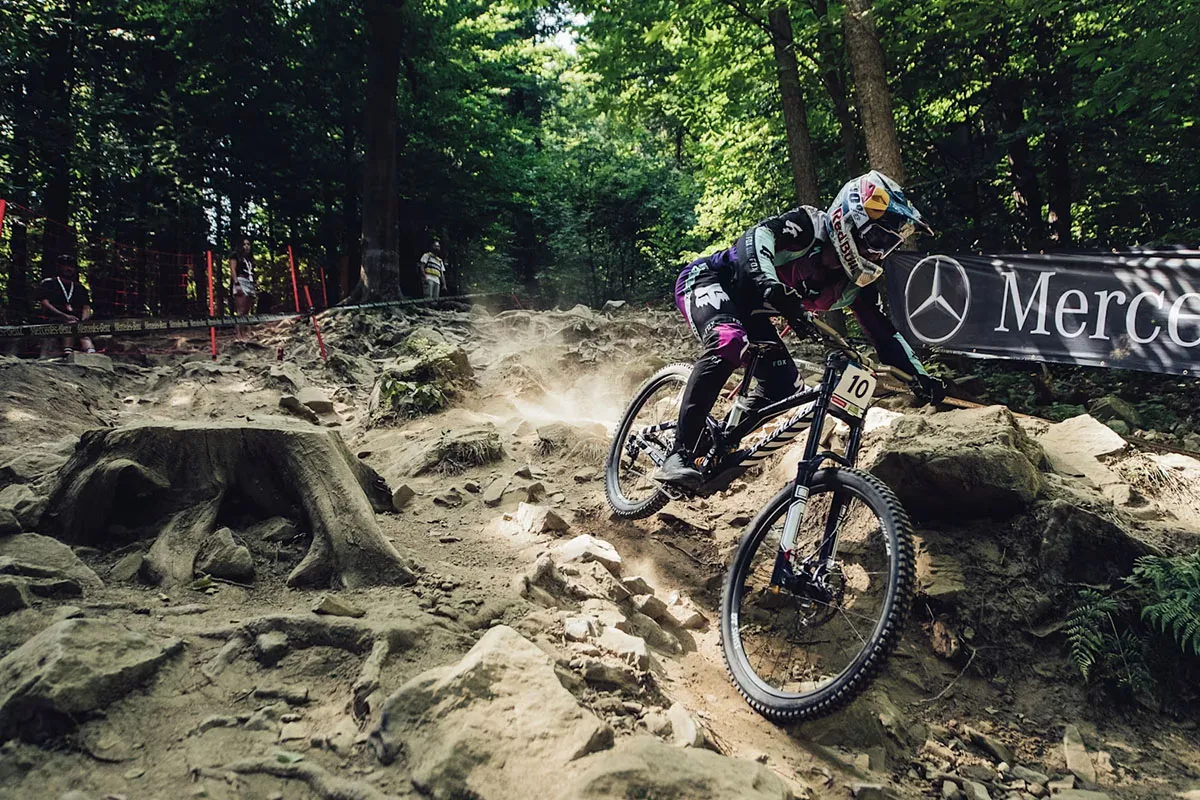
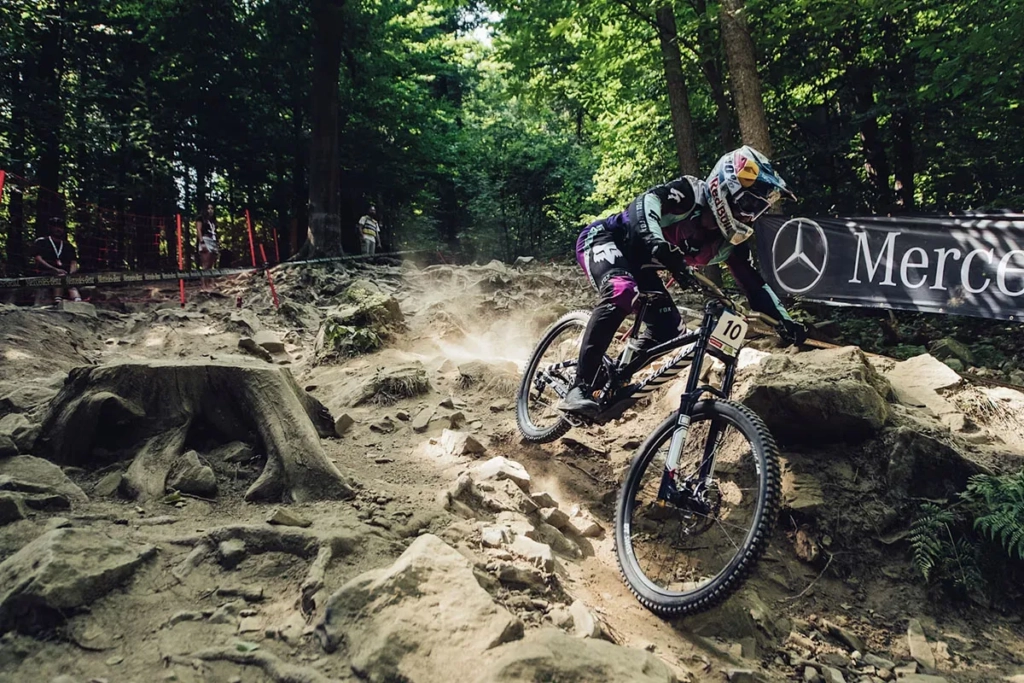
Autumn brings crisp air, vibrant foliage, and the perfect opportunity to explore the outdoors on two wheels—but it also brings rain, dew, and muddy trails that can turn a leisurely ride into a frustrating, even risky experience. For cyclists, whether you’re a casual commuter, a weekend trail rider, or a dedicated enthusiast, preparing your bike for wet and muddy conditions isn’t just about keeping it clean—it’s about ensuring safety, preserving performance, and extending the lifespan of your equipment. Think of your bike as a partner for autumn adventures: just as you’d layer up for the cool, damp weather, your bike needs targeted preparation to tackle slick surfaces, debris-clogged components, and corrosive moisture. In this guide, we’ll break down actionable, expert-backed steps to get your bike ready for whatever autumn’s weather throws at you, from tire tweaks to drivetrain defense, and even post-ride care that prevents long-term damage.
Before diving into preparation steps, it’s critical to understand the unique challenges autumn’s wet and muddy terrain poses—both for your bike and your safety. Unlike summer rain, which often comes in short, intense bursts, autumn precipitation is frequent, light, and persistent, leaving surfaces damp for hours (or days) on end. Mud acts as a abrasive, gritty paste that works its way into every moving part, while water seeps into bearings, gears, and cables, causing rust, corrosion, and friction that degrades performance. Slick leaves, wet asphalt, and muddy ruts increase the risk of skidding, especially during braking or cornering, making proper bike preparation non-negotiable.
A useful metaphor: if your bike’s components are like the joints in your body, mud and water are like sand in those joints—they grind, irritate, and slow you down, eventually causing pain (or in this case, mechanical failure) if left unaddressed. Even a well-maintained bike will struggle in wet autumn conditions without targeted preparation; the goal isn’t to make your bike “waterproof,” but to create a barrier against moisture and debris, optimize traction, and ensure every component works seamlessly when you need it most.
Your tires are the only point of contact between your bike and the ground—so in wet, muddy conditions, they’re your first line of defense against skidding and slipping. Many cyclists make the mistake of using summer tires (designed for hard, dry surfaces) in autumn, which lack the tread and compound needed to grip slick terrain. Here’s how to get your tires autumn-ready, with actionable details that even beginners can follow:
For road cyclists: Opt for tires with a “semi-slick” tread pattern—these have shallow, widely spaced grooves that channel water away from the contact patch, reducing the risk of hydroplaning. Look for tires labeled “all-weather” or “autumn-specific,” with a rubber compound that remains flexible in cool temperatures (avoid hard, summer-only compounds, which become stiff and slippery when wet). A width of 28-32mm is ideal for road bikes in wet conditions: wider tires offer more traction and stability without sacrificing too much speed.
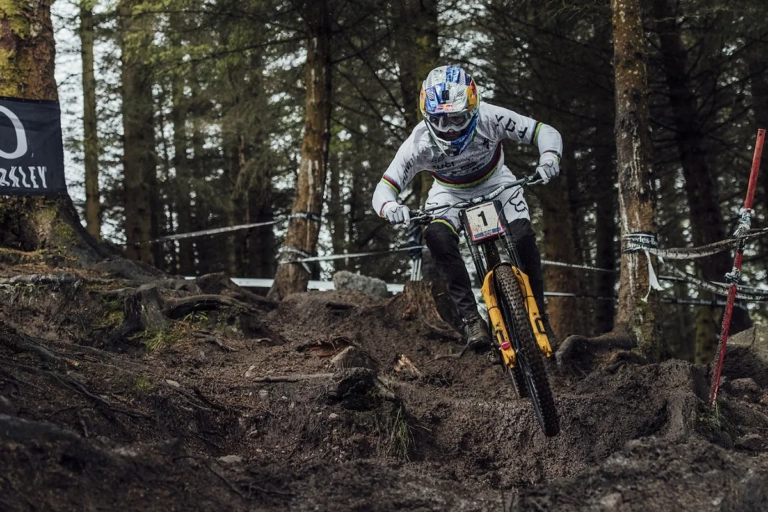
For mountain bikers: Mud-specific tires are a game-changer. Look for tires with deep, aggressive lugs (the raised rubber patterns on the tire surface) that dig into mud and clear debris quickly—avoid tires with closely spaced lugs, which clog with mud and lose traction. Directional lugs (designed to rotate in a specific direction) are best: front tires should have lugs that face forward to bite into climbs, while rear tires should face backward to provide traction during descents and pedaling. Tire width between 2.2-2.4 inches is optimal for most muddy trails, balancing traction and maneuverability.
Lowering your tire pressure slightly is one of the easiest, most effective ways to improve traction in wet and muddy conditions—but don’t go too low (underinflated tires are prone to pinch flats or damage). For road bikes: Reduce pressure by 5-10 PSI (pounds per square inch) from your summer setting—aim for 70-80 PSI for road tires (adjust based on your weight: heavier riders may need 5-10 PSI more). For mountain bikes: Drop to 25-35 PSI (tubeless tires can go even lower, 20-30 PSI, for better traction without flats). The goal is to increase the tire’s contact patch with the ground, which distributes your weight more evenly and improves grip on slick surfaces.
Even the best autumn tires won’t perform if they’re worn out. Inspect your tires for: worn lugs (if the rubber is smooth, it’s time to replace them), cracks in the sidewall (which can lead to blowouts in wet conditions), and embedded debris (glass, thorns, or small rocks, which can cause flats). If your tires have less than 1mm of tread depth (about the thickness of a penny’s edge), replace them—worn tires offer almost no traction in wet weather.
Your bike’s drivetrain—chain, cassette, chainrings, and derailleurs—is the heart of its performance, and it’s also the most vulnerable to wet and muddy conditions. Mud clogs the chain, increasing friction and wear, while water causes rust that can seize components or make shifting sluggish. A poorly maintained drivetrain doesn’t just slow you down—it can lead to costly repairs (a rusted chain, for example, can damage your cassette and chainrings if not replaced).
Start with a clean drivetrain—this ensures that protective products adhere properly and don’t trap mud or debris. Use a bike-specific degreaser (avoid household cleaners, which can damage rubber components like derailleur cables) and a chain cleaning tool to remove old grease, dirt, and grime. For stubborn mud clogs (common in mountain bike drivetrains), use a small brush (a toothbrush works well) to scrub between the chain links, cassette teeth, and derailleur pulleys. Rinse thoroughly with warm water (avoid high-pressure hoses, which can force water into bearings) and dry completely with a clean towel—moisture left behind will lead to rust.
Summer lubricants are thin and designed to evaporate quickly, which is great for dry conditions but useless in rain and mud—they wash away immediately, leaving your chain unprotected. Instead, use a thick, waterproof lubricant (labeled “wet-weather” or “all-conditions”) that repels water and mud. Apply a small amount of lube to each chain link (spin the pedals slowly while applying, to ensure even coverage) and wipe off any excess with a clean cloth—too much lube will attract more mud. Reapply lube after every 2-3 wet rides, or whenever you notice the chain starting to feel sluggish or squeaky.
Wet and muddy conditions can throw off your bike’s shifting, making it hard to change gears smoothly (or at all). After cleaning and lubricating the drivetrain, test the shifting: shift through all gears (front and rear) while pedaling, and listen for clicking or grinding noises. If shifting is slow or inconsistent, adjust the derailleur cables—tighten or loosen the barrel adjuster (located on the shifter or derailleur) in small increments until shifting is smooth. Also, check for bent derailleur hangers (common after hitting rocks or ruts in muddy trails)—a bent hanger can cause poor shifting and damage your chain. If you’re not comfortable adjusting cables or hangers, take your bike to a professional mechanic.
In wet and muddy conditions, your brakes have to work harder to stop you—slick surfaces reduce friction, and mud can clog brake pads, reducing their effectiveness. A brake system that works perfectly in dry weather can fail in rain, putting you at risk of accidents. Here’s how to ensure your brakes are autumn-ready:
Mud, leaves, and debris can get stuck in brake pads, reducing their ability to grip the rotor (disc brakes) or rim (rim brakes). For disc brakes: Remove the wheels and use a brush to clean the brake pads—if they’re clogged with mud, use a small screwdriver to gently scrape away debris (be careful not to damage the pad surface). Inspect the pad thickness: if the pad material is less than 1mm thick (or if you can see the metal backing), replace them. For rim brakes: Clean the brake pads with a degreaser and a brush, and check for wear—worn pads will have a smooth, glazed surface and won’t grip the rim effectively.
For disc brakes: Clean the rotors with isopropyl alcohol and a clean cloth to remove oil, mud, or debris—even a small amount of oil can make brakes squeaky and ineffective. Inspect the rotors for warping (if they wobble when you spin the wheel) or cracks—warped rotors cause brake judder (vibration when braking), while cracks can lead to rotor failure. For rim brakes: Clean the rim surface with a degreaser and a cloth—mud and grime on the rim reduce brake grip. Inspect the rim for wear: if the rim has a deep groove (from years of brake use), it’s time to replace it—worn rims are prone to blowouts.
In wet conditions, you may need to adjust your brake levers for better control—position them so that you can reach them easily while keeping your hands on the handlebars (this reduces fatigue and improves reaction time). For cable-actuated brakes (both disc and rim), check the cable tension: if the brake lever feels spongy or if the brakes don’t engage quickly, tighten the cable using the barrel adjuster. For hydraulic disc brakes: Check the brake fluid level (consult your bike’s manual for instructions) and look for leaks—low fluid or leaks can cause brake failure. If you’re not familiar with hydraulic brakes, have a mechanic service them.
Bearings (in the hubs, bottom bracket, and headset) and cables (shifter and brake) are often overlooked, but they’re critical to your bike’s performance and longevity. Water and mud seep into these components, causing rust, corrosion, and friction that can make your bike feel sluggish or even unsafe.
Most bike bearings are sealed, but autumn’s persistent moisture can still find its way in. For hubs (front and rear): Remove the wheels and check the hub seals—if they’re cracked or worn, replace them (seals are inexpensive and easy to install). Apply a small amount of waterproof grease to the hub bearings (consult your bike’s manual for the right type of grease) to create an extra barrier against water. For the bottom bracket (the part that connects the crankset to the frame) and headset (the part that connects the fork to the frame): If you notice creaking or stiffness when turning the handlebars or pedaling, it’s a sign that moisture has seeped in. Clean the bearings, apply waterproof grease, and replace any worn seals—if the bearings are severely rusted, replace them entirely.
Cables and housing are prone to rust and corrosion when exposed to water and mud—rusted cables can stick in the housing, making shifting or braking difficult. Start by inspecting the cable housing for cracks or frays—if it’s damaged, replace it (housing is cheap and easy to install). Apply a small amount of cable lubricant (or waterproof grease) to the cables before inserting them into the housing—this reduces friction and repels moisture. For extra protection, use cable end caps (small plastic caps that cover the ends of the housing) to prevent water and mud from getting inside. After every wet ride, wipe down the cables and housing with a clean cloth to remove any mud or moisture.
Even with perfect preparation, your bike will get dirty and wet during autumn rides. Post-ride care is just as important as pre-ride preparation—it removes mud and moisture before they can cause damage, and keeps your bike performing well for the next adventure. Here’s a quick, actionable post-ride routine:
Even experienced cyclists make mistakes when preparing their bikes for wet autumn rides—here are the most common ones, and how to avoid them:
Preparing your bike for wet and muddy autumn rides isn’t about perfection—it’s about taking targeted, practical steps to ensure safety, performance, and longevity. By optimizing your tires for traction, protecting your drivetrain from mud and water, servicing your brakes, and caring for bearings and cables, you’ll be able to ride confidently, no matter what autumn’s weather brings. Remember: your bike is an investment, and a little preparation goes a long way in keeping it in top shape for years to come.
Whether you’re commuting to work, exploring forest trails, or just enjoying a weekend ride through the fall foliage, the steps outlined in this guide will help you tackle wet and muddy conditions with ease. Don’t let the rain and mud keep you indoors—with a properly prepared bike, autumn can be one of the best seasons for cycling. Now, grab your gear, check your bike, and hit the road—autumn’s adventures are waiting.
Pro Tip: For extra protection in extremely muddy conditions (like off-road mountain biking), consider adding fenders to your bike. Fenders reduce mud spray on your bike (and your clothes) and help keep components cleaner, reducing the need for frequent cleaning and maintenance. Look for fenders that are compatible with your bike type (road or mountain) and tire width.