Provide Sustainable Electric Bikes For Everyone
Malesuada fames ac turpis egestas. Interdum velit laoreet id donec. Eu tincidunt tortor aliquam nulla facilisi cras.


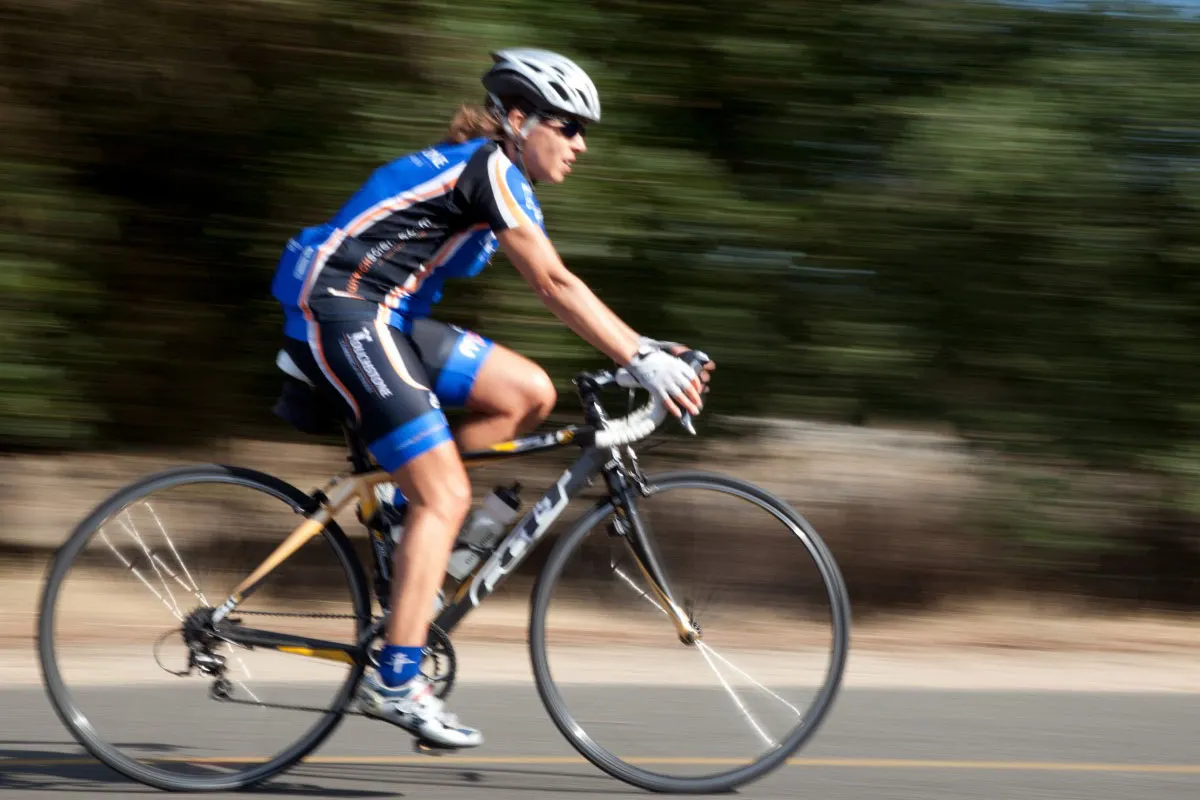
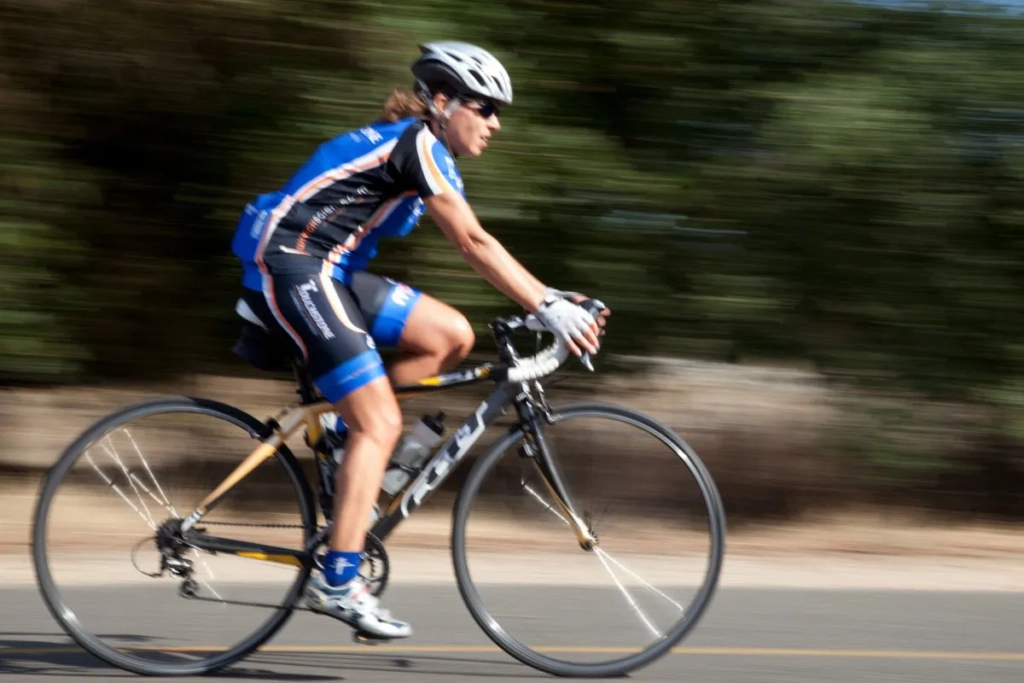
High-altitude and hot-weather races present a unique set of challenges for cyclists—thin air reduces oxygen intake, extreme heat accelerates fatigue and dehydration, and variable terrain (common in high-altitude events) demands gear that balances efficiency, durability, and adaptability. Unlike standard road or mountain races, these conditions require intentional choices when it comes to wheelsets and gear: the wrong selection can hinder performance, increase injury risk, or even force you to drop out. Whether you’re competing in a high-altitude road race, a hot-weather mountain bike event, or a multi-stage race that combines both, your wheels and gear must work in harmony to counteract the effects of thin air and soaring temperatures. In this guide, we’ll break down expert-backed strategies for choosing wheelsets, tires, drivetrain components, and essential gear tailored to high-altitude and hot races, helping you optimize performance, stay safe, and cross the finish line strong.
Before diving into gear selection, it’s critical to grasp how high altitude and heat impact both you and your bike—this knowledge will guide every choice you make. At elevations above 5,000 feet (1,500 meters), air density decreases significantly, reducing oxygen levels by 15–30% compared to sea level. This forces your heart and lungs to work harder, accelerating fatigue and reducing power output (most cyclists lose 3–5% of power per 1,000 feet of elevation gain). Meanwhile, hot weather (temperatures above 85°F/30°C) increases your body’s core temperature, leading to sweating, dehydration, and electrolyte loss—all of which degrade focus, strength, and endurance.
For your bike, these conditions pose additional stress: thin air reduces wind resistance (a small benefit) but increases the demand for efficient power transfer, as every watt counts. Hot temperatures can soften tire rubber, increase rolling resistance, and even damage components like brake pads or drivetrain lubricant. High-altitude races also often feature steep climbs, fast descents, and uneven terrain (such as gravel or rocky trails), requiring wheels and gear that can handle variable loads and impacts. A useful metaphor: competing in high-altitude and hot races is like running a marathon with a backpack—your body and bike must work harder to overcome external stressors, so every piece of gear should lighten the load, not add to it.
Your wheelset is the foundation of your race performance in high-altitude and hot conditions—they directly influence power transfer, rolling resistance, and handling, all of which are amplified by thin air and heat. The key is to prioritize lightweight design (to ease climbs) without sacrificing stiffness (for efficient power transfer) or durability (to handle descents and variable terrain). Below is a breakdown of what to look for in wheelsets for these races, including alloy vs. carbon, rim depth, and hub selection.
The debate between alloy and carbon wheels becomes even more critical in high-altitude and hot races, where every gram and watt matters. Here’s how each material performs in these conditions:
Key Takeaway: Choose carbon wheels if your race features long, smooth climbs and minimal rough terrain. Opt for alloy wheels if you’re racing on rough trails, gravel, or in extreme heat where carbon durability could be a concern. For multi-stage races with mixed terrain, consider a hybrid approach (carbon for climbing stages, alloy for rough stages) if logistics allow.
Rim depth is another critical factor for high-altitude and hot races, as it impacts both aerodynamics and handling—especially in thin, often windy high-altitude air.
At high altitude, where every watt is precious, hub bearings play a crucial role in reducing friction and maximizing efficiency. Choose wheelsets with high-quality, sealed bearings—ceramic bearings are ideal, as they are smoother and more durable than steel bearings, reducing energy loss as the wheels spin. Sealed bearings also protect against dust, dirt, and moisture (common in high-altitude environments, where weather can be unpredictable), ensuring consistent performance throughout the race. For hot weather, look for hubs with heat-dissipating designs (such as aluminum hubs with ventilation holes) to prevent bearing overheating, which can cause stiffness and reduced efficiency.
Tires are often overlooked in high-altitude and hot races, but they have a direct impact on performance, safety, and comfort. The right tires will provide traction on variable terrain, resist heat-related wear, and minimize rolling resistance—critical when power output is reduced at high altitude. Here’s what to look for:
Hot weather softens tire rubber, increasing rolling resistance and reducing durability—so choose tires with a heat-resistant compound. Look for tires labeled “high-temperature” or “all-weather” with a durometer (hardness) rating between 60–70A (softer than summer-only tires but harder than winter tires). A supple compound (even in heat-resistant models) will minimize rolling resistance by reducing tire deformation, which is especially important at high altitude where every watt counts. Avoid tires with a hard, rigid compound—they will be slippery in hot weather and increase fatigue by requiring more energy to pedal.
Altitude and heat both affect tire pressure, so it’s critical to adjust your pressure before race day. At high altitude, air pressure decreases, so your tires will lose 1–2 PSI for every 1,000 feet of elevation gain. Hot weather also increases tire pressure (air expands when heated), which can lead to overinflation—reducing traction and increasing rolling resistance. Here’s the formula for optimal pressure:
Start with your standard sea-level pressure (e.g., 75–80 PSI for road bikes, 25–30 PSI for mountain bikes). Subtract 1–2 PSI per 1,000 feet of race elevation, then subtract an additional 3–5 PSI to account for hot weather. For example, if your race is at 8,000 feet and temperatures are 90°F, subtract 8–16 PSI (for altitude) plus 3–5 PSI (for heat) from your sea-level pressure. Test this pressure during pre-race training to ensure it provides the right balance of traction and rolling resistance.
High-altitude races are defined by steep climbs, where even the strongest cyclists struggle with reduced power output. Your drivetrain gear selection will determine how efficiently you climb, how well you maintain speed on flats, and how fresh you feel at the finish line. The goal is to balance climbing ability with speed—here’s how:
For high-altitude races, prioritize a crankset with smaller chainrings to make climbs easier. For road bikes, a compact crankset (50/34T) is ideal—it provides a wide range of gears, with the 34T inner chainring making steep climbs manageable. For mountain bikes, a single-chainring crankset (30–34T) is preferred for simplicity and weight savings, paired with a wide-range cassette (10–50T or 11–52T) to cover all climbing and descending needs. Avoid large chainrings (53T or larger for road bikes) unless your race has long, flat sections—they are unnecessary for high-altitude climbs and add weight.
A wide-range cassette is non-negotiable for high-altitude races, as it allows you to switch between easy climbing gears and fast descending gears without sacrificing efficiency. For road bikes, choose a cassette with a range of 11–34T or 11–36T—this provides enough low gears for steep climbs and high gears for flats or descents. For mountain bikes, opt for a cassette with a range of 10–50T or 11–52T—these wide ranges ensure you have the right gear for even the steepest high-altitude climbs (often 10–15% grade) and the fastest descents. Look for cassettes made from lightweight materials (such as aluminum or titanium) to reduce rotational weight, further easing climbs.
Hot weather can break down standard drivetrain lubricant, increasing friction and reducing efficiency—critical at high altitude where every watt counts. Choose a heat-resistant, low-friction lubricant labeled “high-temperature” or “race-grade.” Avoid wet-weather lubricants (which are thick and attract dirt) and opt for a dry or semi-dry lubricant that repels dust and remains stable in hot temperatures. Apply a thin layer of lubricant to your chain before the race, and wipe off any excess—too much lube will attract dirt and increase friction. For multi-stage races, reapply lubricant after each stage to ensure consistent performance.
In addition to wheelsets and drivetrain components, you’ll need specialized gear to stay safe and perform your best in high-altitude and hot races. This gear focuses on hydration, sun protection, temperature regulation, and emergency preparedness—all of which are critical in these harsh conditions.
Dehydration is a major risk in hot, high-altitude races—even mild dehydration can reduce power output by 5–10%. Here’s the gear you need:
At high altitude, UV radiation is 20–30% stronger than at sea level (thin air filters less UV light), increasing the risk of sunburn, heatstroke, and eye damage. Essential sun protection gear includes:
High-altitude races often have extreme temperature fluctuations—cool mornings, hot afternoons, and cold descents. Your clothing should be lightweight, breathable, and adaptable:
High-altitude and hot races can be unpredictable—mechanical issues, injuries, or sudden weather changes can derail your race. Pack these essential emergency items:
No matter how carefully you choose your wheelset and gear, it’s critical to test everything in conditions similar to race day. High-altitude and hot weather can affect gear performance in unexpected ways, so schedule at least 2–3 pre-race training rides at or near race elevation and during the same time of day (to mimic hot temperatures). Use these rides to:
Choosing the right wheelset and gear for high-altitude and hot races is about balance—balancing lightweight design with durability, efficiency with traction, and comfort with safety. Every piece of gear should work to counteract the challenges of thin air and extreme heat, helping you maintain power, stay hydrated, and avoid injury. Remember: the best gear is the gear that fits your riding style, race terrain, and budget—there’s no one-size-fits-all solution.0zi
Prioritize your wheelset and tires first—they have the biggest impact on performance—then focus on drivetrain gear and essential race gear. Test everything in race conditions, adjust as needed, and trust your preparation. With the right gear and a solid strategy, you’ll be able to overcome the unique challenges of high-altitude and hot races, push your limits, and achieve your goals.
Whether you’re a seasoned pro or a first-time high-altitude racer, the key is to be intentional with your gear choices. Every watt saved, every drop of water retained, and every degree cooled will bring you closer to the finish line. Now, gear up, train hard, and get ready to conquer the mountains in style.
Pro Tip: Acclimate to high altitude before race day if possible. Spend 2–3 days at or near race elevation to allow your body to adjust to thin air—this will reduce fatigue and improve performance. During acclimation, avoid intense training (focus on light rides) and stay hydrated to help your body adapt. Pair this with your optimized gear, and you’ll be in the best possible shape to tackle race day.