Provide Sustainable Electric Bikes For Everyone
Malesuada fames ac turpis egestas. Interdum velit laoreet id donec. Eu tincidunt tortor aliquam nulla facilisi cras.


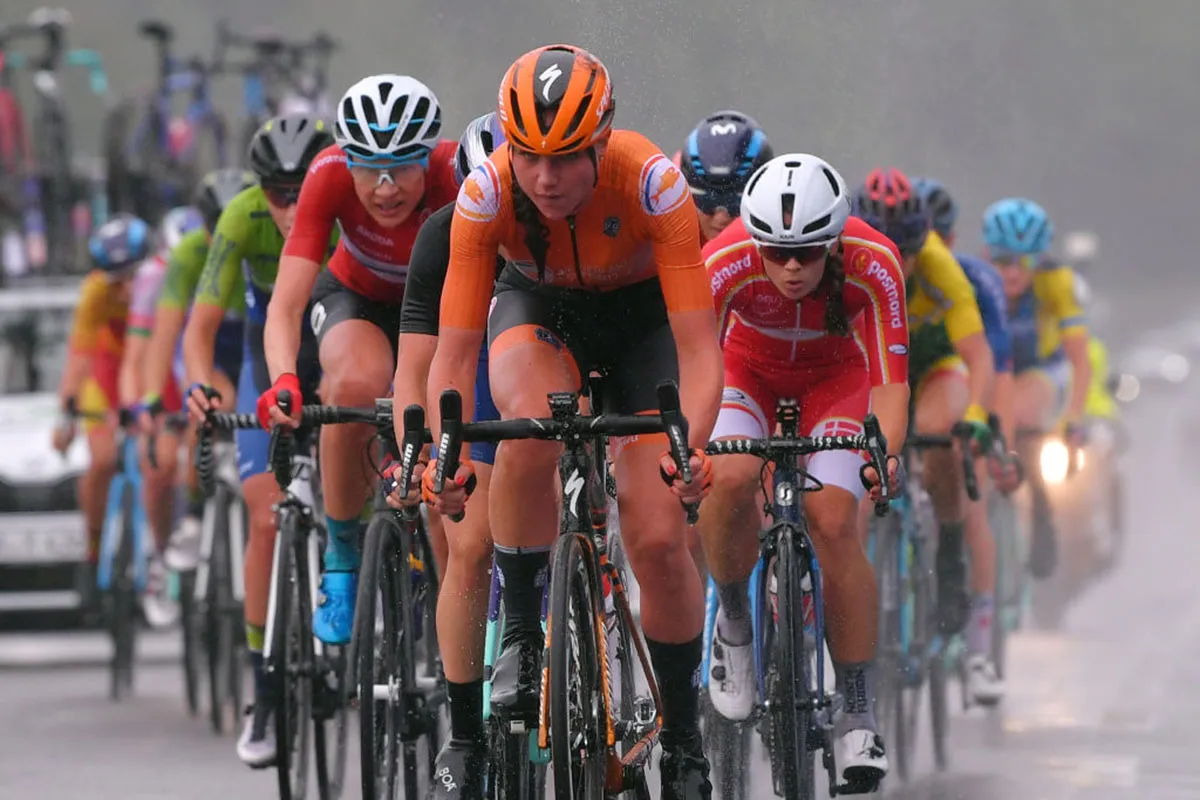
Walk into any bike shop, scroll through an online retailer, or join a cycling forum, and you’ll likely encounter the same obsession: the search for the “perfect bike.” Riders—beginners and veterans alike—spend hours comparing specs, debating frame materials, and chasing the latest models, convinced that there’s a single bicycle out there that will solve every problem, fit every terrain, and deliver an unparalleled riding experience. But here’s the hard truth: the perfect bike doesn’t exist. And that’s not a failure of bike design or manufacturing—it’s a product of how we think about cycling, our unique needs as riders, and the simple fact that no single machine can be everything to everyone.
This pursuit of perfection often leads to frustration: riders buy expensive bikes that don’t match their style, upgrade components they don’t need, or abandon cycling altogether because their “dream bike” fails to live up to unrealistic expectations. But the good news? You don’t need a perfect bike to love riding. What you need is an ideal bike—one that aligns with your goals, fits your body, and adapts to how and where you ride. The difference between “perfect” and “ideal” is profound: perfection is a mythical standard no bike can meet, while ideal is a personal benchmark tailored to you.
Think of it like finding a pair of shoes. There’s no such thing as the “perfect shoe”—one that’s equally comfortable for running a marathon, walking to work, and attending a formal event. Instead, you choose shoes based on what you need them for: a supportive running shoe for workouts, a comfortable loafer for commutes, a sleek dress shoe for special occasions. Bikes work the same way. A gravel bike built for rough backcountry trails won’t perform as well on a smooth road race, just as a lightweight road bike won’t handle heavy adventure gear or technical singletrack. The “perfect” bike—one that excels at everything—would be a jack-of-all-trades and master of none, sacrificing performance and comfort for versatility.
Drawing on years of experience working with riders of all skill levels, bike fit specialists, and frame designers, this guide will debunk the myth of the perfect bike, explore why this obsession holds so many riders back, and provide a step-by-step framework to help you find your ideal ride. We’ll break down the key factors that define an ideal bike (beyond just specs), address common mistakes riders make when shopping, and help you prioritize what matters most—so you can stop chasing perfection and start enjoying every mile. Whether you’re a beginner looking for your first bike, a seasoned rider ready to upgrade, or someone who’s felt let down by a “dream bike” in the past, this guide will reframe how you think about cycling and help you find a bike that feels like it was made for you.
To let go of the pursuit of the perfect bike, you first need to understand why it doesn’t exist. It’s not because bike manufacturers aren’t capable of building exceptional machines—it’s because the very idea of “perfection” in cycling is rooted in unrealistic expectations, conflicting priorities, and a failure to recognize that riding is a deeply personal experience. Let’s break down the three core reasons the perfect bike is nothing more than a myth:
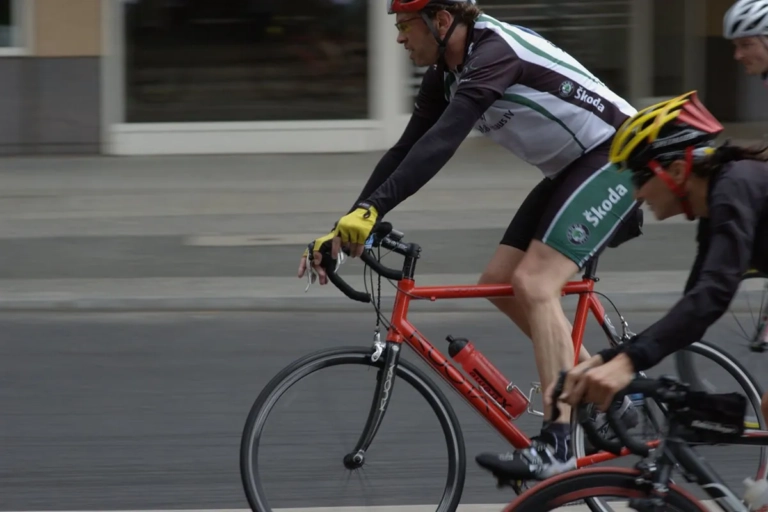
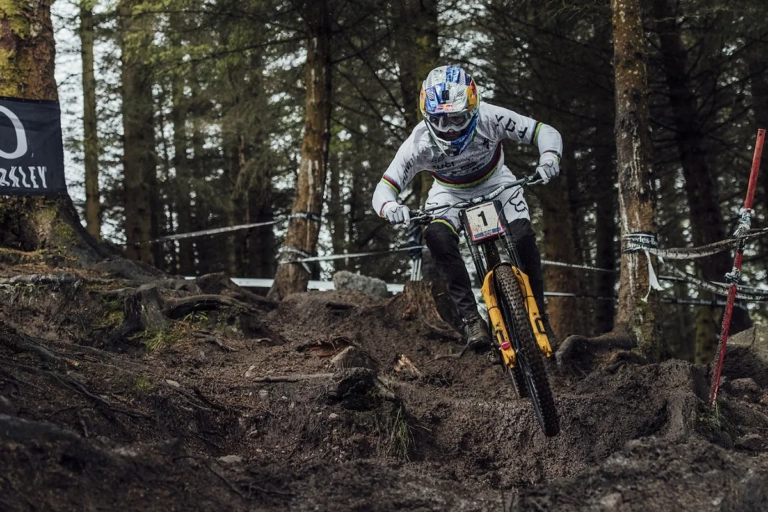
Cycling is a diverse sport, with riders pursuing everything from fast road races and technical mountain biking to long-distance adventure tours and casual commutes. Each riding style demands different features from a bike: a road bike needs to be lightweight and aerodynamic for speed, a mountain bike needs robust suspension and wide tires for traction on rough trails, an adventure bike needs cargo capacity and durability for heavy loads, and a commuter bike needs comfort and practicality for daily use.
These demands are often conflicting. For example, making a bike lightweight (critical for road racing) means sacrificing durability (essential for mountain biking or adventure cycling). Adding suspension (needed for technical trails) increases weight and reduces efficiency (bad for road riding). Designing a bike for cargo capacity (great for commuting) makes it less agile (not ideal for singletrack). There’s no way to balance all these competing needs without compromising on something—and that means no bike can be “perfect” for every rider or every scenario.
Real-World Example: A rider we worked with recently spent six months researching and saving for a “perfect” bike that he hoped would handle both his weekly road group rides and his monthly gravel adventures. He bought a high-end gravel bike with a lightweight carbon frame, thinking it would be fast on the road and capable on gravel. But he quickly realized the tradeoffs: the bike was fast on smooth roads but lacked the durability to handle rough gravel trails (he damaged the frame after hitting a rock), and it didn’t have the aerodynamics of a dedicated road bike, so he struggled to keep up with his road group. He’d chased the myth of a “do-it-all” perfect bike and ended up with one that didn’t excel at either of his preferred riding styles.
Even if a bike could excel at every terrain, it still wouldn’t be perfect—because every rider has a unique body, riding style, and set of preferences. A bike that fits a 6’2” rider with long legs and a flexible back will be uncomfortable (if not unrideable) for a 5’2” rider with a shorter torso and tight hips. A rider who prefers a relaxed, upright position for long rides will hate a bike with an aggressive, aerodynamic geometry designed for racing. A rider with knee pain may need a bike with a specific crank length or saddle position, while another rider with shoulder issues may require wider handlebars or a shorter reach.
Bike fit is the single most important factor in how a bike feels to ride—and fit is entirely personal. A “perfect” bike for one rider could be a nightmare for another, even if they ride the same terrain. This individuality means there’s no universal standard for perfection; what’s perfect for you may be terrible for someone else, and vice versa.
Additionally, riders have unique preferences that can’t be measured by specs. Some riders prioritize comfort over speed, others value aesthetics over performance, and some care more about durability than weight. There’s no “right” set of preferences—they’re all valid—and that means no bike can cater to every rider’s tastes. A bike that’s perfect for a speed-obsessed racer will feel boring to a rider who values comfort and scenery; a bike that’s perfect for a casual commuter will feel underwhelming to a competitive gravel rider.
Even if you found a bike that matched your current riding style, body, and preferences, it still wouldn’t stay “perfect” forever—because your needs as a rider will change over time. A beginner rider may start with a casual commuter bike, but as they gain experience, they may develop a passion for gravel racing or mountain biking, requiring a different type of bike. A rider who once prioritized speed may shift to long-distance touring as they get older, needing a bike with more comfort and cargo capacity. A rider recovering from an injury may need a bike with different geometry or components to accommodate their physical limitations.
The bike that felt perfect to you five years ago may not fit your needs today—and that’s okay. Cycling is a journey, and your bike should evolve with you. The myth of the perfect bike assumes that your riding goals and preferences are static, but in reality, they’re dynamic. Chasing perfection means chasing a target that’s constantly moving—and you’ll never catch it.
The pursuit of the perfect bike isn’t just harmless daydreaming—it can actually hurt your cycling experience, waste your time and money, and even push you away from the sport altogether. Here are three common dangers of this obsession:
Riders chasing perfection often fall into the trap of buying expensive bikes with high-end components they’ll never use. A beginner rider may spend thousands on a carbon fiber road bike with electronic shifting, thinking it’s “perfect,” only to realize they don’t have the skill or fitness to take advantage of its performance benefits. A casual commuter may upgrade to a bike with a lightweight frame and race-ready tires, but if they’re only riding a few miles to work on paved roads, those upgrades are unnecessary and wasteful.
The result? You end up with a bike that’s overpriced, underused, and doesn’t bring you any more joy than a more affordable, practical option. Instead of focusing on “perfect” specs, you should focus on features that align with your actual riding needs—anything beyond that is just a waste of money.
When you build up unrealistic expectations of a “perfect” bike, you’re setting yourself up for disappointment. No bike can live up to the hype you create in your head—even the most expensive, high-performance models have flaws. You may find that the bike you spent months researching feels uncomfortable after a long ride, or that it doesn’t handle the terrain as well as you hoped, or that it’s just not as fun to ride as you imagined.
This disappointment can turn you off cycling altogether. We’ve worked with riders who gave up the sport because their “dream bike” didn’t meet their expectations—they felt like they’d wasted their money and time, and they couldn’t see the point in riding anymore. But the problem wasn’t the bike—it was the myth of perfection they’d bought into.
Chasing the perfect bike takes time—time you could be spending riding. Instead of scrolling through forums, comparing specs, and visiting bike shops, you could be out on the road or trail, enjoying the sport you love. The longer you wait to find your “perfect” bike, the more rides you’ll miss—and the more likely you are to lose interest in cycling altogether.
The truth is: any bike is better than no bike. Even a basic, affordable bike will let you experience the joy of riding—and as you ride more, you’ll gain a clearer understanding of what you need in an ideal bike. You don’t need to wait for perfection to start riding; you just need a bike that gets you out the door.
Letting go of the perfect bike myth is liberating—but it’s only the first step. The next step is finding your ideal bike: one that fits your body, aligns with your riding goals, and brings you joy every time you ride it. Unlike the perfect bike, the ideal bike is achievable—and it’s unique to you. Below is a step-by-step framework to help you find it, based on years of working with riders and bike fit specialists.
The first and most important step in finding your ideal bike is to get clear on your riding identity—what you ride for, where you ride, and how often you ride. Too many riders skip this step and jump straight to comparing specs, but without a clear understanding of your needs, you’ll end up with a bike that doesn’t match your style. Ask yourself these questions to define your riding identity:
Be honest with yourself—don’t choose a bike based on what you want your riding identity to be; choose one based on what it actually is. For example, if you say you want to race gravel but you only ride a few miles on smooth roads each week, a dedicated gravel race bike isn’t your ideal ride— a versatile gravel commuter is. If you dream of long-distance adventure tours but you have back pain that makes upright riding necessary, a bike with a relaxed geometry is better than a lightweight adventure bike with an aggressive position.
Pro Tip: Write down your answers to these questions and keep them handy when shopping for a bike. They’ll serve as a reality check when you’re tempted by a “perfect” bike that doesn’t match your needs.
Once you’ve defined your riding identity, the next step is to prioritize fit over specs. A bike with mediocre specs that fits perfectly will always be more enjoyable to ride than a “perfect” spec’d bike that doesn’t fit your body. Bike fit is about how the bike interacts with your body—how your arms, legs, and torso are positioned when you ride—and it directly impacts comfort, performance, and injury risk.
Here’s what to focus on when evaluating bike fit:
The best way to ensure a good fit is to visit a local bike shop and get a professional bike fit. Most shops offer free or low-cost fits when you buy a bike, and a professional fit specialist can adjust the frame size, saddle position, handlebar height, and crank length to match your body. If you’re buying a bike online, look for detailed size charts and reach/stack measurements, and don’t hesitate to contact the retailer for guidance.
Common Mistake: Choosing a bike based on frame size alone. Frame size (e.g., 54cm, 56cm) is a starting point, but it doesn’t account for your unique body proportions. Two riders of the same height may need different frame sizes or adjustments—so always test ride a bike (or get a fit) before buying.
Once you’ve found a bike that fits well and matches your riding identity, it’s time to evaluate the specs—but don’t get caught up in chasing “perfect” components. Instead, focus on specs that are “good enough” for your needs. For most riders, mid-range components will perform just as well as high-end ones, and they’ll save you hundreds (if not thousands) of dollars.
Here’s how to prioritize specs based on your riding identity:
Remember: Specs are just tools—they’re meant to support your riding, not define it. A bike with mid-range specs that fits well and matches your style will bring you more joy than a “perfect” spec’d bike that doesn’t fit or align with your needs.
No matter how much research you do or how good a bike looks on paper, you won’t know if it’s your ideal ride until you test it. Test riding is the single best way to evaluate fit, comfort, and handling—and it’s non-negotiable when shopping for a bike. Most local bike shops will let you test ride a bike for 15-30 minutes (or longer, if you ask), and some online retailers offer trial periods (30 days or more) so you can test the bike at home.
When test riding, focus on these questions:
Pro Tip: Test ride multiple bikes. Even if you think you’ve found your ideal ride, test riding a few other options will help you confirm that it’s the best choice for you. Compare how different bikes fit, handle, and feel—and trust your gut. If one bike feels “right” in a way the others don’t, that’s likely your ideal ride.
The final step in finding your ideal bike is to embrace imperfection. Your ideal bike won’t be perfect—it will have flaws. Maybe the saddle isn’t quite right, or the drivetrain shifts a little slowly, or the frame color isn’t your first choice. But that’s okay. Imperfection is part of the process, and it’s what makes your bike unique to you.
Remember: Your bike is not a static object—it’s a partner in your cycling journey. You can upgrade components over time (replace the saddle, upgrade the drivetrain, add accessories) to make it more aligned with your needs. As your riding style changes, you can adjust your bike (or even buy a new one) to keep up. The goal isn’t to find a bike that’s perfect today—it’s to find a bike that works for you today and can evolve with you tomorrow.
Real-World Example: A beginner rider we worked with bought a basic aluminum commuter bike for $500. It wasn’t the “perfect” bike— the saddle was uncomfortable, and the tires were a little narrow for the gravel roads she occasionally rode. But she loved how it fit and how fun it was to ride. Over time, she replaced the saddle with a more comfortable one, upgraded to wider tires for gravel, and added a rack for carrying her laptop to work. Today, that “imperfect” $500 bike is her ideal ride—it’s been customized to match her evolving needs, and it brings her joy every time she rides it. She never chased perfection; she embraced imperfection and made the bike her own.
Even with a clear framework, it’s easy to make mistakes when shopping for a bike—especially if you’re still tempted by the myth of perfection. Here are four common mistakes to avoid:
Don’t buy a bike just because it’s a popular brand or because everyone on a forum says it’s “perfect.” Brand name doesn’t equal quality, and hype doesn’t equal fit. A lesser-known brand may make a bike that fits you better and matches your needs more than a top-tier brand. Focus on how the bike fits and performs, not on the logo on the frame.
It’s easy to fall in love with a bike that looks great or is super lightweight—but if it doesn’t fit you, it won’t be enjoyable to ride. A heavy bike that fits perfectly will be faster and more comfortable than a lightweight bike that’s too big or too small. Similarly, a bike with a sleek, aggressive design may look cool, but if it forces you into an uncomfortable position, you’ll hate riding it. Always prioritize fit over style or weight.
You don’t need to know every detail about frame materials, drivetrain components, or tire technology to find your ideal bike. Keep it simple: define your riding identity, prioritize fit, test ride, and trust your gut. The more you overcomplicate the process, the more likely you are to get stuck chasing perfection and miss out on a great bike.
Don’t wait for a sale, a new model release, or the “perfect” price to buy a bike. The best time to buy a bike is when you’re ready to ride—and when you find one that fits your needs and feels right. Waiting for a deal may save you a few hundred dollars, but it will cost you months of riding time. Remember: any bike is better than no bike, and the sooner you start riding, the sooner you’ll find joy in the sport.
The myth of the perfect bike is a trap—one that keeps riders stuck in a cycle of research, disappointment, and inaction. But it doesn’t have to be that way. By letting go of perfection, defining your riding identity, prioritizing fit, and embracing imperfection, you can find your ideal bike—one that fits your body, aligns with your goals, and brings you joy every time you ride.
Remember: Cycling isn’t about having the perfect bike—it’s about enjoying the ride. Your ideal bike is the one that gets you out the door, makes you smile, and keeps you coming back for more. It may not be perfect on paper, but it will be perfect for you.
So stop scrolling through forums. Stop comparing specs. Stop chasing a myth. Visit a bike shop, test ride a few bikes, and trust your gut. Your ideal bike is waiting—and the sooner you find it, the sooner you can start enjoying the greatest part of cycling: the ride itself.
And if you ever feel like your bike isn’t “ideal” anymore? That’s okay. Upgrade it, adjust it, or buy a new one. Your cycling journey is unique, and your bike should evolve with you. Perfection is fleeting, but the joy of riding is forever.