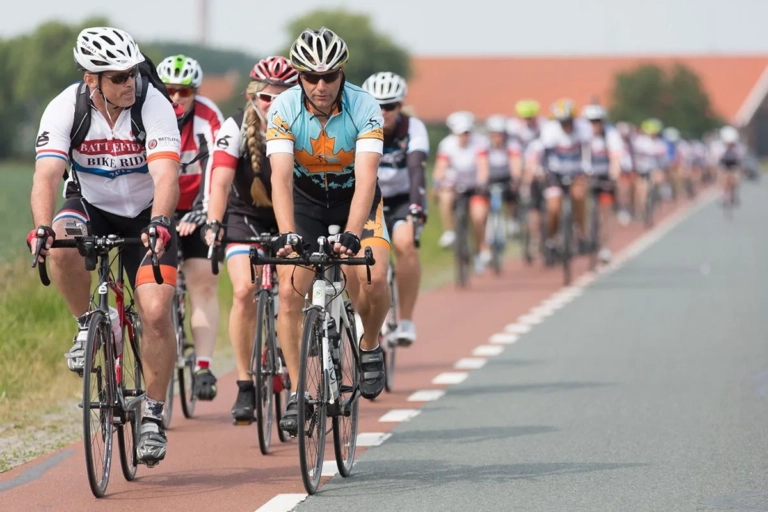
High-altitude and hot-weather races present a unique set of challenges that test both rider and equipment—thin air reduces oxygen availability and increases rolling resistance, while extreme heat accelerates fatigue, degrades gear performance, and raises the risk of overheating. Unlike sea-level or temperate races, where “one-size-fits-all” gear might suffice, these harsh conditions demand intentional, science-backed choices for wheelsets and core gear. The difference between a podium finish and aDNF (did not finish) often lies in how well your equipment adapts to low oxygen, high UV exposure, and blistering temperatures.
This handbook is designed for competitive riders—from amateur enthusiasts to pro cyclists—preparing for races at elevations above 2,000 meters (6,562 feet) with temperatures exceeding 30°C (86°F). We skip generic advice and focus on the specific demands of high-altitude heat: maximizing aerodynamics without sacrificing cooling, choosing wheels that cut through thin air, selecting gear that wicks sweat and blocks UV, and balancing weight savings with durability. Instead of a traditional “final thoughts” section, we’ll conclude with a quick-reference adaptation checklist and a Q&A addressing the most common gear mistakes riders make in these conditions.
First, let’s break down the core environmental challenges that dictate your wheelset and gear choices—understanding these will help you make decisions that align with the physics of high-altitude heat, rather than guessing what “might” work.
Core Challenges of High-Altitude & Hot Races (The Why Behind Gear Choices)
Before diving into specific gear, it’s critical to grasp how high altitude and heat interact to impact both you and your equipment. These two factors don’t act independently—they compound each other, creating a hostile environment that demands gear built for resilience and adaptation.
1. High-Altitude Effects (2,000+ Meters)
Thin Air = Increased Rolling Resistance: At higher elevations, air density drops (by ~10% for every 1,000 meters), reducing aerodynamic drag but increasing rolling resistance. This means wheelsets must balance aerodynamics with low rolling resistance—bulky, deep-section rims that excel at sea level may feel sluggish here.
Reduced Oxygen = Fatigue & Power Loss: Your body loses ~3% of its oxygen-carrying capacity for every 300 meters of elevation gain, leading to earlier fatigue and reduced power output. Gear choices (especially wheels and tires) must minimize energy waste, so you can conserve strength for critical climbs or sprints.
Variable Weather: High-altitude races often feature sudden temperature drops, strong crosswinds, and even brief rain showers—gear must be versatile enough to handle these shifts without adding excess weight.
2. Hot-Weather Effects (30°C+)
Overheating Risk: Both rider and equipment are prone to overheating. Wheels with poor ventilation can cause brake fade (critical for descents), while non-breathable gear leads to heat exhaustion.
Sweat & Dehydration: Excessive sweating depletes electrolytes and increases friction (chafing, slipping hands on handlebars). Gear must wick moisture, dry quickly, and resist salt buildup.
UV Damage: High altitude amplifies UV radiation (by ~10–15% per 1,000 meters), which degrades gear fabrics and harms your skin. Gear must offer UV protection without sacrificing breathability.
With these challenges in mind, let’s move to the most critical equipment choice: wheelsets. They are the foundation of your performance in high-altitude heat, as they directly impact rolling resistance, aerodynamics, and heat management.
How to Choose Wheelsets for High-Altitude & Hot Races
Wheelsets are not a “one-and-done” purchase for high-altitude hot races—you need to prioritize three key factors: rim depth (aerodynamics vs. crosswind stability), material (weight vs. heat dissipation), and tire compatibility (rolling resistance vs. grip). Below is a step-by-step breakdown to help you choose, plus recommendations for different race types (climbing-focused, flat/rolling, time trials).
Key Factor 1: Rim Depth – Balance Aerodynamics & Stability
Rim depth is the most impactful choice for high-altitude racing, as thin air changes how air flows over the wheels. Here’s what to know:
Shallow Rims (30–40mm): Ideal for climbing-focused races (e.g., mountainous high-altitude events). Shallow rims are lightweight (500–650g per wheel), offer excellent crosswind stability (critical in high-altitude valleys), and promote better heat dissipation (reducing brake fade in hot weather). They sacrifice some aerodynamics but save energy on steep climbs—critical when oxygen is limited.
Mid-Depth Rims (40–50mm): The most versatile option for mixed-terrain high-altitude hot races (flat sections + short climbs). They balance aerodynamics and weight, with enough depth to cut through thin air on flats but not so much that they feel unwieldy in crosswinds. Mid-depth rims also dissipate heat better than deep-section rims, making them a safe bet for hot conditions.
Deep Rims (50mm+): Only recommended for flat or rolling high-altitude races with minimal crosswinds (e.g., desert high-altitude time trials). Deep rims excel at aerodynamics in thin air, but they are heavier (700–850g per wheel) and prone to crosswind instability. They also trap heat, increasing brake fade risk in hot weather—avoid for races with long descents or unpredictable winds.
Key Factor 2: Wheel Material – Heat Dissipation & Weight
The material of your rims and hubs directly impacts heat management and weight—two non-negotiables in high-altitude heat. Here’s how to choose:
Aluminum Rims: The best choice for most high-altitude hot races. Aluminum dissipates heat 5x faster than carbon fiber, reducing brake fade (even in 35°C+ heat) and making it safer for long descents. Aluminum rims are also more durable (resistant to dents from rough roads) and affordable. Opt for lightweight aluminum (e.g., 6061-T6 alloy) to minimize weight.
Carbon Fiber Rims: Suitable only for flat, crosswind-free high-altitude races (e.g., time trials). Carbon is lighter than aluminum (400–550g per wheel) and more aerodynamic, but it traps heat—leading to brake fade in hot weather. If you choose carbon, look for rims with heat-dissipating technology (e.g., ceramic brake tracks, vented designs) and avoid long descents.
Hubs: Choose hubs with sealed bearings (to keep out dust and debris common in high-altitude areas) and lightweight materials (aluminum or carbon). Look for hubs with low friction—every watt saved counts when oxygen is limited. Avoid heavy steel hubs, as they add unnecessary weight.
Key Factor 3: Tire Compatibility & Pressure
Tires work in tandem with your wheelset to reduce rolling resistance and improve grip—critical in high-altitude heat, where rough roads and sudden rain (common at altitude) can cause slips. Here’s what to prioritize:
Tire Width: Opt for 25–28mm tires (road races) or 32–35mm tires (gravel high-altitude races). Wider tires have lower rolling resistance in thin air and hot weather (they absorb more road vibration, reducing energy waste) and offer better grip on rough terrain. Avoid narrow tires (23mm or less)—they increase rolling resistance and are more prone to flats.
Tire Compound: Choose tires with a soft, supple compound (e.g., silica-based) for better grip, but prioritize durability (look for puncture-resistant layers). Hot weather softens tire compounds, making them more prone to cuts and flats—balance grip with durability. Avoid hard compounds, as they reduce grip and increase rolling resistance.
Tire Pressure: Reduce tire pressure by 5–10 PSI compared to sea-level races. Thin air and hot weather cause tire pressure to fluctuate—lower pressure improves grip and reduces rolling resistance. For example, if you ride 80–85 PSI at sea level, drop to 70–75 PSI at 2,000+ meters. Check pressure before every stage, as temperature changes (common at altitude) can alter it.
Mixed-Terrain High-Altitude Hot Races (e.g., Utah’s Tour of Utah): Mid-depth aluminum rims (40–50mm), sealed bearings, 25–28mm tires, 72–77 PSI.
Flat/Time Trial High-Altitude Hot Races (e.g., Arizona’s Ironman 70.3): Mid-deep carbon rims (45–50mm with heat dissipation), aerodynamic hubs, 25mm tires (harder compound for speed), 75–80 PSI.
Essential Gear for High-Altitude & Hot Races (Beyond Wheelsets)
Your wheelset sets the foundation, but core gear (clothing, nutrition, accessories) determines how well you adapt to heat and low oxygen. Below is a breakdown of must-have gear, organized by category, with a focus on high-altitude heat-specific features.
Clothing must keep you cool, dry, and protected from UV radiation—without adding bulk or friction. Here’s what to choose:
Jersey: Opt for a lightweight, short-sleeve jersey made from breathable fabric (e.g., polyester-spandex blend, mesh panels). Look for UPF 50+ UV protection (critical at high altitude) and a full-length zipper (to adjust ventilation). Avoid cotton— it retains sweat and causes chafing.
Shorts/Bibs: Choose bib shorts with a chamois (padding) designed for long rides (4–6 hours+), as high-altitude races are often longer. Look for moisture-wicking fabric, flatlock seams (to prevent chafing), and a breathable mesh upper. Avoid baggy shorts—they increase wind resistance.
Base Layer (Optional): For early-morning starts (common at altitude, when temperatures drop to 10–15°C), wear a lightweight, long-sleeve base layer made from merino wool or synthetic fabric. It will wick sweat and keep you warm, but can be easily removed as temperatures rise.
Accessories:
Cap/Visor: A lightweight, breathable cap with a visor to block UV and keep sweat out of your eyes. Opt for UPF 50+ protection.
Arm Sleeves: Compression arm sleeves (UPF 50+) to protect against UV and reduce muscle fatigue (critical in low oxygen). They can be rolled down or removed if it gets too hot.
Gloves: Short-finger gloves made from breathable, moisture-wicking fabric. They reduce friction (sweaty hands on handlebars) and protect your palms from blisters.
High altitude and heat increase dehydration risk—you’ll sweat more, and thin air accelerates electrolyte loss. Your nutrition gear must make it easy to stay hydrated and fueled without slowing you down.
Water Bottles/Hydration Pack:
For short races (under 2 hours): Two lightweight, insulated water bottles (to keep water cool in hot weather). Opt for bottles with a large opening (easy to refill at aid stations).
For long races (2+ hours): A lightweight hydration pack (1.5–2L) with a tube (easy to sip while riding). Look for packs with breathable shoulder straps (to reduce sweating) and storage for snacks.
Electrolyte Gear: Carry electrolyte tablets (e.g., Nuun, Hammer Nutrition) or a liquid electrolyte mix (e.g., Gatorade Endurance) to add to your water. High altitude increases electrolyte loss—aim for 500–700mg of sodium per hour.
Snack Storage: A jersey with three rear pockets (to carry energy gels, bars, or chews) or a small under-saddle bag. Choose energy-dense, easy-to-digest snacks (e.g., gels, rice cakes) that don’t require much chewing—critical when breathing is labored at altitude.
3. Safety & Performance Accessories
These accessories often get overlooked, but they can make or break your race in high-altitude heat—focus on heat management, visibility, and emergency preparedness.
Sunglasses: High-quality sunglasses with UV 400 protection (blocks 100% of UVA/UVB rays) and polarized lenses (reduces glare from the sun reflecting off roads). Look for lightweight frames (to avoid pressure on your nose) and interchangeable lenses (for variable light at altitude).
Brake Pads: Choose brake pads designed for heat dissipation (e.g., ceramic or semi-metallic) to prevent brake fade on long descents. Avoid organic pads—they wear quickly in hot weather and are prone to glazing.
Emergency Kit: A small, lightweight emergency kit with a tire lever, patch kit, CO2 cartridge (for flats), and a multi-tool. High-altitude races often have remote aid stations—you may need to fix a flat on your own.
Sun Screen: A travel-sized, water-resistant sunscreen (SPF 50+) to reapply at aid stations. Focus on your face, neck, and arms—high altitude amplifies UV radiation, and sunburn can accelerate fatigue.
Use this checklist to ensure your wheelset and gear are fully adapted to high-altitude (2,000+ meters) and hot (30°C+) races. Tick each box before race day to avoid last-minute mistakes.
Wheelset: Rim depth matches race terrain (shallow for climbs, mid-depth for mixed, deep for flat/time trials).
Rims: Aluminum (preferred) or carbon with heat-dissipating technology.
Tires: 25–28mm (road) or 32–35mm (gravel), soft/durable compound, puncture-resistant.
Tire Pressure: Reduced by 5–10 PSI compared to sea-level races (70–80 PSI).
Clothing: All items are breathable, moisture-wicking, and UPF 50+ (jersey, shorts, cap, arm sleeves).
Hydration: Insulated water bottles/hydration pack (1.5–2L for long races), electrolyte tablets/mix.
Nutrition: Easy-to-digest snacks (gels, bars) stored in jersey pockets or under-saddle bag.
Pre-Race Test: Wheelset and gear tested in similar conditions (high altitude, heat) to identify issues.
Common Gear Mistakes to Avoid (Q&A)
Below are the most frequent mistakes riders make when choosing wheelsets and gear for high-altitude hot races, along with fixes to keep you on track.
Q1: I use deep-section carbon wheels for sea-level races—can I use them for high-altitude hot races?
A: Only if the race is flat and has minimal crosswinds. Deep-section carbon wheels trap heat, leading to brake fade in hot weather—dangerous on long descents. They also struggle in crosswinds (common at altitude) and add weight for climbs. If you must use carbon, opt for mid-depth (45–50mm) rims with heat-dissipating brake tracks and avoid long descents.
Q2: I’m worried about overheating—should I skip arm sleeves even though UV is high?
A: No—arm sleeves (compression, UPF 50+) protect against UV and reduce muscle fatigue (critical in low oxygen). Look for lightweight, breathable sleeves (mesh panels) that wick sweat—they won’t make you hotter. You can roll them down or remove them if temperatures spike above 35°C.
Q3: I usually ride 23mm tires—why should I switch to 25–28mm for high-altitude races?
A: 23mm tires have higher rolling resistance in thin air and hot weather—they don’t absorb road vibration as well, wasting energy (critical when oxygen is limited). Wider tires (25–28mm) reduce rolling resistance, improve grip (on rough high-altitude roads), and are less prone to flats. They won’t slow you down—they’ll help you conserve energy.
Q4: Do I need a hydration pack for a 2-hour high-altitude hot race?
A: It depends on aid station frequency. If aid stations are every 30–45 minutes, two insulated water bottles (with electrolyte mix) are enough. If aid stations are sparse (every 60+ minutes), a small hydration pack (1.5L) is better—dehydration happens faster at altitude, and you don’t want to slow down to refill bottles.
Q5: My aluminum wheels get hot during descents—how can I prevent brake fade?
A: Aluminum wheels dissipate heat well, but brake fade can still happen in hot weather. Fixes: 1) Use heat-dissipating brake pads (ceramic or semi-metallic); 2) Avoid constant braking—use pulsed braking (apply and release) to let brakes cool; 3) Check brake pad alignment (misaligned pads cause excess friction and heat); 4) Reduce tire pressure slightly (improves grip, reducing the need for hard braking).
Q6: Should I use tubeless or clincher tires for high-altitude hot races?
A: Tubeless tires are the better choice for most high-altitude hot races. They allow you to run lower tire pressure (critical for reducing rolling resistance and improving grip) without the risk of pinch flats—common on rough high-altitude roads. Tubeless tires also run cooler than clinchers (less friction between tube and tire), which helps prevent overheating in hot weather. If you stick with clinchers, opt for high-quality, puncture-resistant tubes and avoid overinflating. For gravel high-altitude races, tubeless is non-negotiable for added durability.
Q7: Does the weight of my wheelset matter more at high altitude than at sea level?
A: Yes—weight matters significantly more at high altitude. With reduced oxygen, your body has less power to spare, so every extra gram of wheel weight requires more energy to accelerate and climb. This doesn’t mean you need the lightest wheelset possible (sacrificing durability or heat dissipation), but it does mean prioritizing lightweight options (e.g., 1,400–1,600g total for road wheelsets) for climbing-focused races. For flat/time trial races, aerodynamics still take priority over weight, but avoid overly heavy deep-section rims that waste energy.
Q8: Can I reuse my regular race gear (not designed for heat/altitude) for high-altitude hot races?
A: It’s not recommended—regular race gear often lacks the features needed for high-altitude heat. For example, regular jerseys may not have UPF protection (critical for amplified UV) or mesh panels (for ventilation), while regular brake pads may not dissipate heat well (leading to fade). Reusing gear can increase your risk of overheating, UV damage, or equipment failure. If you’re on a budget, prioritize upgrading key items first: wheelset (aluminum for heat dissipation), tires (wider, tubeless), and a breathable, UPF 50+ jersey. These upgrades will have the biggest impact on your performance and safety.