Provide Sustainable Electric Bikes For Everyone
Malesuada fames ac turpis egestas. Interdum velit laoreet id donec. Eu tincidunt tortor aliquam nulla facilisi cras.




Your bike’s handlebars are more than just a place to grip—they’re your connection to the ride, your control center for steering, braking, and shifting. And the bar tape you choose? It’s the unsung hero that transforms a basic handlebar into a comfortable, functional, and personalized part of your bike. Whether you’re a daily commuter braving city streets, a road cyclist chasing PRs, a mountain biker tackling technical trails, or a casual rider enjoying weekend loops, the right bar tape can elevate your comfort, reduce fatigue, and even boost your confidence on the bike.
Yet too many cyclists overlook bar tape, settling for the generic option that came with their bike or picking the first colorful roll they see online. The truth is: not all bar tape is created equal. The wrong choice can lead to numb hands, slippery grips, premature wear, and even discomfort that cuts your rides short. A well-chosen bar tape, on the other hand, adapts to your riding style, hand size, and environment—turning every mile into a more enjoyable experience.
With over a decade of experience testing and recommending bicycle accessories, I’ve helped cyclists of all skill levels find the perfect bar tape for their needs. I’ve tested dozens of materials, thicknesses, and designs, from budget-friendly options to premium performance tapes, and I’ve seen firsthand how the right choice can make a world of difference. In this complete guide, I’ll break down everything you need to know to choose the right bike bar tape: key factors to consider, material differences, fit and installation tips, and tailored advice for every riding scenario.
This guide is designed for every cyclist—no matter what type of bike you ride or how often you hit the road or trails. By the end, you’ll not only know how to pick bar tape that fits your bike and riding style, but you’ll also understand how small details (like texture, thickness, and color) can impact your overall ride quality. Let’s dive in and find the perfect bar tape for you.
Before we jump into the details of choosing bar tape, let’s start with the basics: why does it matter? Bar tape is often dismissed as a cosmetic accessory, but it plays three critical roles in your riding experience—roles that directly impact your comfort, safety, and enjoyment.
The most important function of bar tape is to provide comfort. When you ride, your hands bear a significant amount of your upper body weight, and the handlebars transmit vibrations from the road or trail directly to your palms, wrists, and forearms. Over time, these vibrations can cause numbness, tingling, soreness, or even pain—issues that can ruin a long ride or lead to chronic discomfort.
Quality bar tape acts as a shock absorber, dampening vibrations and distributing pressure evenly across your hands. It also provides a soft, ergonomic surface that conforms to your grip, reducing hot spots (areas of concentrated pressure) that cause discomfort. For cyclists who ride long distances (10+ miles per ride) or tackle rough terrain, the right bar tape can mean the difference between finishing strong and cutting your ride short.
Safety is another non-negotiable benefit of good bar tape. A secure grip on your handlebars is essential for controlling your bike, especially in wet or slippery conditions. Cheap or worn bar tape can become slippery when sweaty or wet, increasing the risk of your hands slipping—something no cyclist wants, whether they’re descending a steep road or navigating a technical trail.
The best bar tape is designed with texture and grip in mind, providing traction even when your hands are sweaty or the bars are wet. Some tapes even have specialized coatings (like silicone or rubber) that enhance grip in extreme conditions, giving you peace of mind no matter what the weather throws at you.
Bar tape also protects your handlebars from scratches, dents, and wear. Handlebars are made of lightweight materials (like aluminum or carbon fiber) that can be easily damaged by regular use, accidental drops, or exposure to the elements. A layer of bar tape acts as a barrier, shielding your bars from damage and extending their lifespan.
For cyclists with carbon fiber handlebars, bar tape is even more important: carbon fiber is prone to cracking if it’s scratched or damaged, and bar tape helps prevent these issues. Investing in good bar tape is a small cost compared to replacing a set of handlebars—making it a smart investment in your bike’s longevity.
While comfort and safety are the top priorities, bar tape also offers a simple way to personalize your bike. With dozens of colors, patterns, and textures available, you can match your bar tape to your bike’s frame, your cycling kit, or your personal style. Whether you prefer a sleek, understated look (black, gray, or white) or a bold, eye-catching design (neon, camo, or geometric patterns), bar tape lets you add a touch of personality to your ride.
Now that you understand why bar tape matters, let’s break down the key factors you need to consider when choosing the right option for you. These factors will help you narrow down your choices and find bar tape that fits your riding style, hand size, and environment.
The material of your bar tape is the most important factor to consider—it directly impacts comfort, grip, durability, and maintenance. There are four main materials used in bar tape, each with its own pros and cons. Let’s break them down in detail:
Cork is one of the most traditional bar tape materials, and for good reason: it’s lightweight, affordable, and offers excellent comfort. Cork is a natural material that’s soft to the touch, absorbs vibrations well, and breathes easily—making it a great choice for casual riders, commuters, and cyclists who ride in warm weather.
Pros: Affordable (typically $10–$20 per roll), lightweight, good vibration dampening, breathable, comfortable for long rides.
Cons: Less durable than synthetic materials (tends to wear out after 6–12 months of regular use), absorbs sweat and moisture (can develop odors if not cleaned), not ideal for wet conditions (can become slippery when wet).
Best for: Casual riders, commuters, warm-weather riding, budget-conscious cyclists.
Foam (often called EVA foam or neoprene foam) is designed for maximum comfort and vibration dampening. It’s thicker than cork or synthetic tape, making it ideal for cyclists who ride long distances (like road cyclists or gravel riders) or tackle rough terrain (like mountain bikers). Foam tape is also lightweight and soft, conforming to your grip for a custom feel.
Pros: Excellent vibration dampening, thick and cushiony, lightweight, soft to the touch, available in various thicknesses.
Cons: Less durable than synthetic materials (can tear or wear thin with heavy use), can become slippery when sweaty, may retain moisture (needs regular cleaning).
Best for: Road cyclists, gravel riders, mountain bikers, long-distance riders, cyclists with hand pain or numbness.
Synthetic bar tape (made from materials like polyurethane (PU), polyvinyl chloride (PVC), or silicone) is the most popular choice among modern cyclists. It’s designed to be durable, water-resistant, and easy to maintain—making it a great all-around option for all riding styles and conditions.
PU tape is the most premium synthetic option, offering a soft, leather-like feel with excellent durability and water resistance. PVC tape is more affordable, durable, and easy to clean, but it’s slightly stiffer than PU. Silicone tape is the most grippy option, with a non-slip surface that performs well in wet or sweaty conditions.
Pros: Durable (lasts 12–24 months of regular use), water-resistant (ideal for wet weather), easy to clean (wipes clean with a damp cloth), available in a wide range of colors and textures, good grip in all conditions.
Cons: More expensive than cork (typically $20–$40 per roll), some synthetic tapes can be stiff (less comfortable for long rides), silicone tape may be too sticky for some riders.
Best for: All riding styles (road, mountain, commuter, gravel), wet-weather riding, cyclists who want low-maintenance tape, riders who prioritize durability.
Leather bar tape is the premium option, offering a sleek, classic look and exceptional durability. It’s made from genuine or synthetic leather, and it’s designed to age beautifully—developing a patina over time that adds character to your bike. Leather tape is also stiff enough to provide good feedback, making it a favorite among road cyclists and vintage bike enthusiasts.
Pros: Exceptionally durable (lasts 2–3+ years with proper care), sleek, classic appearance, ages well (develops a patina), good grip (improves with use), stiff enough for good feedback.
Cons: Expensive (typically $40–$80 per roll), requires maintenance (needs to be conditioned regularly to prevent cracking), not ideal for wet conditions (genuine leather absorbs water and can warp), less cushioning than foam or cork.
Best for: Road cyclists, vintage bike enthusiasts, cyclists who prioritize style and longevity, dry-weather riding.
Bar tape thickness is another key factor that impacts comfort and ride feel. Thicker tape offers more cushioning and vibration dampening, while thinner tape provides better feedback (letting you feel the road or trail more clearly) and a sleeker grip. The right thickness for you depends on your riding style, hand size, and personal preference.
Bar tape thickness is measured in millimeters (mm), and most options fall into three categories:
Thin bar tape (1.5–2.0mm) is the choice of competitive road cyclists, time trialists, and cyclists who prioritize feedback and precision. It’s thin enough to let you feel the road, which is important for maintaining control at high speeds. Thin tape also provides a sleeker grip, which is ideal for cyclists with small hands or those who prefer a tight, secure hold.
Best for: Competitive road cyclists, time trialists, cyclists with small hands, riders who want maximum feedback.
Medium bar tape (2.0–2.5mm) is the most popular option for most cyclists. It offers a balance of cushioning and feedback, making it suitable for all riding styles—from casual commutes to long-distance road rides. Medium tape is thick enough to dampen vibrations and reduce discomfort, but thin enough to provide good grip and control.
Best for: Most cyclists, all riding styles (road, mountain, commuter, gravel), cyclists with medium-sized hands, riders who want a balance of comfort and feedback.
Thick bar tape (2.5–3.0mm+) is designed for maximum comfort, making it ideal for long-distance riders, gravel cyclists, mountain bikers, and cyclists with hand pain or numbness. It offers extra cushioning to dampen vibrations from rough roads or trails, reducing fatigue and discomfort during long rides. Thick tape is also a good choice for cyclists with large hands, as it provides a more substantial grip.
Best for: Long-distance riders, gravel cyclists, mountain bikers, cyclists with hand pain or numbness, riders with large hands.
The texture of your bar tape impacts both grip and comfort. Some tapes have a smooth surface, while others have a textured, ribbed, or perforated design. The right texture for you depends on your riding conditions and personal preference:
Bar tape width is often overlooked, but it’s important to ensure a proper fit for your handlebars. Most bar tape is designed to fit standard handlebar diameters (22.2mm for drop bars, flat bars, and riser bars), but some tapes are wider or narrower to accommodate different bar shapes.
For drop bars (common on road bikes and gravel bikes), look for bar tape that’s 30–35mm wide—this width covers the entire top of the bar and the drops, providing a consistent grip. For flat bars (common on mountain bikes and commuter bikes), look for tape that’s 25–30mm wide—this width fits the flat surface of the bar without overlapping.
Always check the manufacturer’s specifications to ensure the tape fits your handlebar size. Using tape that’s too narrow will leave parts of the bar exposed, while tape that’s too wide will overlap and feel bulky.
If you plan to install the bar tape yourself (which most cyclists do), you’ll want to choose an option that’s easy to apply. Some bar tape comes with adhesive backing, which makes installation quick and straightforward—simply peel and stick. Other tapes require you to wrap them tightly around the bar, using friction to hold them in place.
For beginners, adhesive-backed tape is the best choice—it’s easier to apply and less likely to slip. For more experienced cyclists, non-adhesive tape offers more control over the tightness of the wrap, allowing you to customize the feel. Most bar tape also comes with end plugs (to cover the ends of the handlebars) and finishing tape (to secure the end of the wrap), so you won’t need to buy additional supplies.
Different bar tape materials require different levels of maintenance. If you’re a low-maintenance cyclist, you’ll want to choose tape that’s easy to clean and doesn’t require regular upkeep. Here’s a quick breakdown of maintenance requirements for each material:
Bar tape is available at a wide range of price points, from budget-friendly options ($10–$20) to premium choices ($40–$80+). The good news is: you don’t need to spend a fortune to get quality bar tape. For most cyclists, a mid-range synthetic or foam tape ($20–$30) will offer the perfect balance of comfort, durability, and value.
If you’re on a budget, cork tape is a great option—it’s affordable and comfortable, though less durable. If you’re a serious cyclist or prioritize style and longevity, leather or premium synthetic tape is worth the investment—it will last longer and provide a better ride experience.
The right bar tape for you depends largely on how and where you ride. Different riding scenarios require different features—for example, wet-weather commuters need water-resistant tape, while long-distance road cyclists need maximum cushioning. Below are tailored recommendations for the most common riding scenarios.
Road cyclists prioritize a balance of comfort (for long rides), feedback (for control at high speeds), and grip (for descents and wet conditions). Most road cyclists use drop bars, so bar tape that fits securely and provides consistent grip across the tops and drops is essential.
Recommendations:Material: Synthetic (PU or PVC) for durability and water resistance; foam for maximum comfort (long-distance riders); leather for style and feedback (casual road riders). Thickness: Medium (2.0–2.5mm) for most road cyclists; thin (1.5–2.0mm) for competitive riders; thick (2.5–3.0mm) for long-distance or endurance riders. Texture: Textured or ribbed for extra grip; perforated for warm-weather riding. Example: Lizard Skins DSP (synthetic, textured, medium thickness) for all-around performance; Fizik Microtex (PU, smooth, thin) for competitive riders; Brooks Leather Tape (genuine leather, sleek) for style.
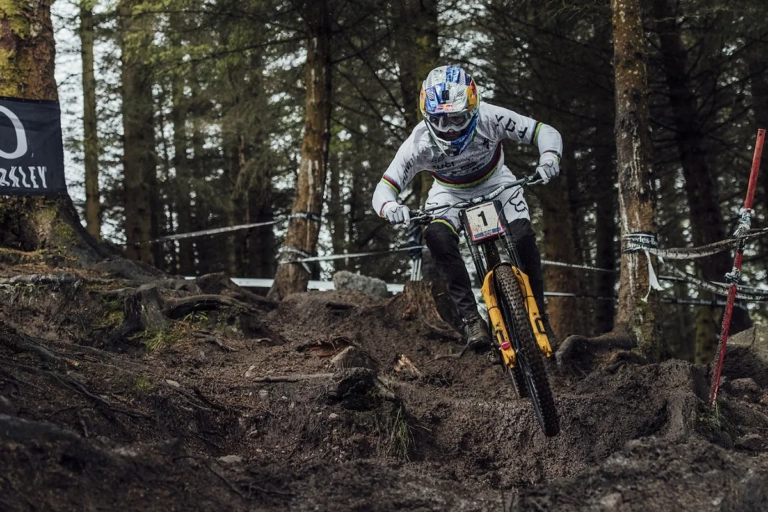
Mountain bikers need bar tape that can handle rough terrain, wet conditions, and heavy use. Flat or riser bars are common on mountain bikes, so tape that provides a secure grip and absorbs vibrations from rocks and roots is essential. Mountain bikers also tend to sweat more (especially during intense rides), so grip in sweaty conditions is a must.
Recommendations:Material: Synthetic (silicone or PVC) for grip and durability; foam for vibration dampening (downhill or enduro riders). Thickness: Thick (2.5–3.0mm+) for maximum cushioning; medium (2.0–2.5mm) for all-around use. Texture: Sticky/silicone-coated for grip in wet or sweaty conditions; ribbed for extra traction. Example: ESI Chunky Foam Tape (thick foam, grippy) for downhill riders; Lizard Skins Charger Evo (silicone-coated synthetic, textured) for all-mountain use; ODI Soft Touch (PVC, durable) for budget-friendly options.
Commuters and hybrid bike riders need bar tape that’s durable, easy to maintain, and performs well in all weather conditions (rain, snow, sweat). They also tend to ride on rough city streets, so vibration dampening is important for comfort during daily commutes.
Recommendations:Material: Synthetic (PVC or PU) for water resistance and low maintenance; cork for affordability (casual commuters). Thickness: Medium (2.0–2.5mm) for a balance of comfort and grip. Texture: Textured or ribbed for grip in wet conditions; smooth for easy cleaning. Example: Planet Bike Cork Tape (affordable, comfortable) for casual commuters; Specialized S-Wrap HD (PU, durable, water-resistant) for all-weather use; Jagwire Sport Bar Tape (PVC, easy to clean) for low-maintenance riders.
Gravel riders need bar tape that can handle a mix of road and off-road terrain—think rough gravel roads, dirt paths, and occasional pavement. They ride long distances, so comfort and vibration dampening are key, but they also need grip for technical sections and wet conditions.
Recommendations:Material: Foam for vibration dampening; synthetic (PU) for durability and water resistance. Thickness: Medium to thick (2.2–2.8mm) for comfort on rough terrain. Texture: Perforated for breathability (long rides); textured for grip in wet or gravelly conditions. Example: Enve Bar Tape (foam, thick, breathable) for long-distance gravel rides; Wahoo KICKR Bar Tape (PU, textured, water-resistant) for versatile use; Velocio Signature Bar Tape (PU, soft, perforated) for comfort.
Installing bar tape is a simple DIY task that most cyclists can do in 15–20 minutes. You don’t need any special tools—just your bar tape, end plugs, finishing tape, and a pair of scissors. Follow these steps to install your bar tape like a pro:
Before you start, make sure you have everything you need: 1 roll of bar tapeEnd plugs (included with most bar tape)Finishing tape (included with most bar tape)Scissors (to trim excess tape)Isopropyl alcohol (optional, to clean your handlebars before installation)
Start by removing any old bar tape from your handlebars. Use a screwdriver to remove the end plugs (if needed). Clean your handlebars with a damp cloth or isopropyl alcohol to remove dirt, grease, and sweat—this will help the new tape adhere better (especially if it’s adhesive-backed).
The installation process varies slightly for drop bars and flat bars—follow the instructions for your bike’s handlebar type:
Even with the best intentions, it’s easy to make mistakes when choosing or installing bar tape. Below are the most common mistakes cyclists make—and how to avoid them:
Mistake: Using cork tape in wet weather (it becomes slippery) or leather tape in heavy rain (it absorbs water and warps).
Solution: Match the material to your riding conditions. Use synthetic tape for wet weather, cork or foam for warm/dry weather, and leather for dry, casual riding.
Mistake: Using thick tape if you have small hands (it will feel bulky and hard to grip) or thin tape if you have large hands (it will feel too narrow and uncomfortable).
Solution: Choose medium tape if you’re unsure. For small hands, opt for thin to medium tape; for large hands, choose medium to thick tape.
Mistake: Wrapping tape too loose (it slips and feels bulky) or too tight (it stretches and tears, or cuts off circulation to your hands).
Solution: Wrap the tape tightly enough to stay in place, but not so tight that it stretches or causes discomfort. Test the grip as you wrap—if it feels too tight, loosen the tension.
Mistake: Installing new tape over dirty, greasy handlebars (the tape won’t adhere properly and will slip).
Solution: Always clean your handlebars with a damp cloth or isopropyl alcohol before installing new tape. This removes dirt, grease, and sweat, ensuring a secure grip.
Mistake: Keeping worn, torn, or slippery tape on your bars (it reduces grip and comfort, and can be unsafe).
Solution: Replace your bar tape when it shows signs of wear (tears, thinning, or slipperiness). Most tape lasts 6–24 months, depending on use and material.
With proper care, your bar tape can last longer and perform better. Below are simple tips to extend the lifespan of your bar tape, regardless of material:
Choosing the right bike bar tape isn’t about picking the prettiest color or the cheapest option—it’s about finding tape that fits your riding style, hand size, and environment. The right bar tape will enhance your comfort, improve your grip, protect your handlebars, and make every ride more enjoyable.
To recap the key steps to choosing the right bar tape:
Remember, bar tape is a small investment that makes a big difference. Whether you’re a casual rider or a serious cyclist, taking the time to choose the right bar tape will pay off in comfort, safety, and enjoyment on every ride.
So go ahead—explore your options, test different materials and thicknesses, and find the bar tape that feels like it was made for you and your bike. Your hands (and your ride) will thank you.