Provide Sustainable Electric Bikes For Everyone
Malesuada fames ac turpis egestas. Interdum velit laoreet id donec. Eu tincidunt tortor aliquam nulla facilisi cras.


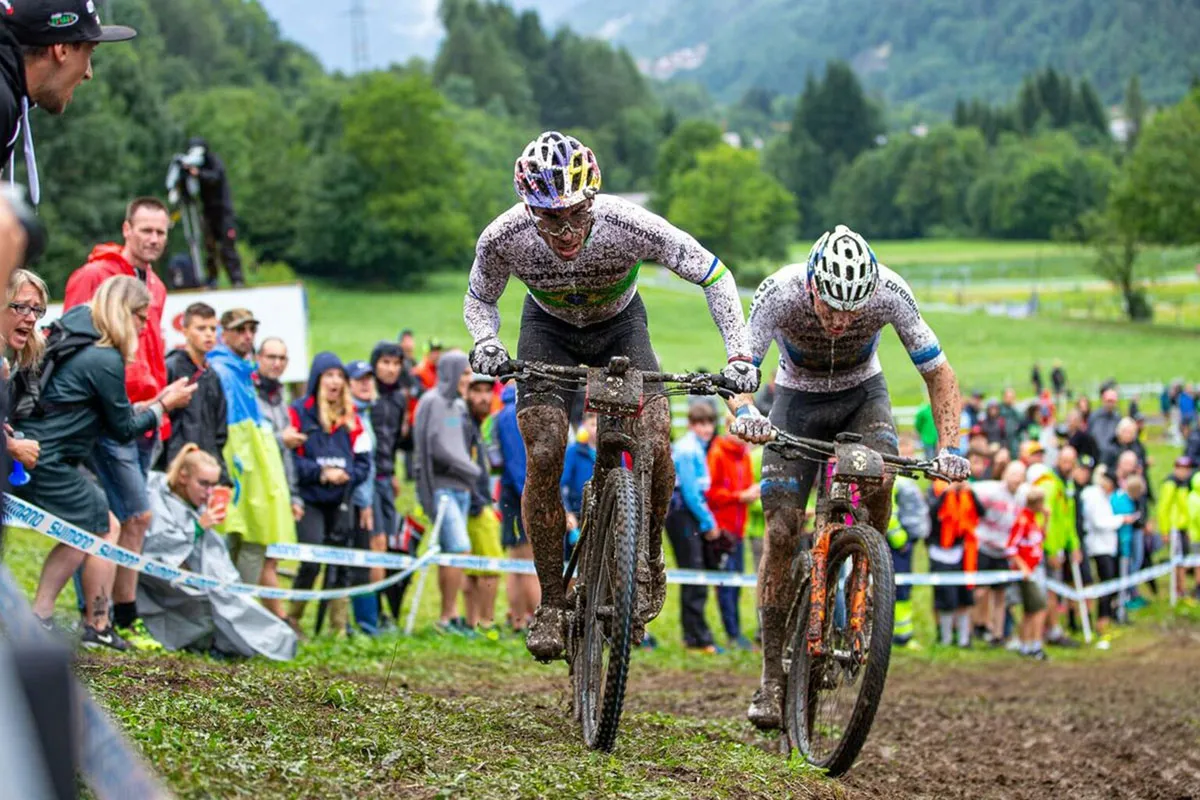
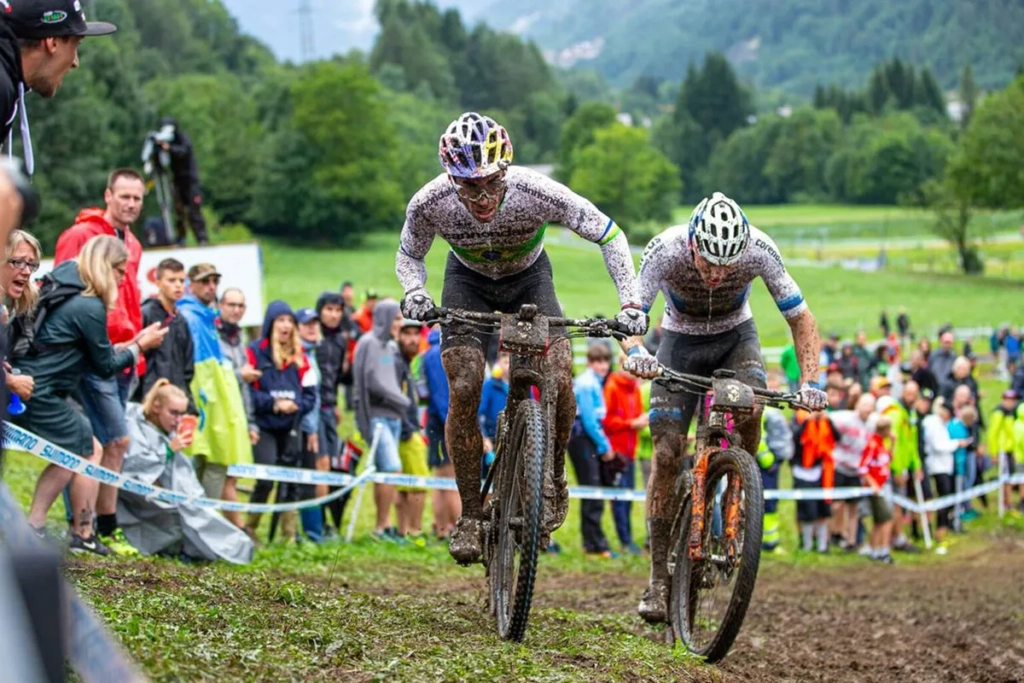
Riding a bike with no hands—often called “no-handed cycling”—is a skill that combines balance, control, and confidence. For casual riders, it’s a fun way to feel more connected to the road; for commuters and enthusiasts, it’s a practical tool for adjusting gear, hydrating, or checking your surroundings without losing momentum. But despite its appeal, no-handed cycling is frequently misunderstood as a “trick” rather than a learnable skill built on core riding fundamentals. The truth is, anyone can master no-handed cycling with the right approach, proper preparation, and a focus on safety—provided you follow a structured, expert-backed process.
As a cycling technology and safety expert with over a decade of experience coaching riders of all skill levels, I’ve helped hundreds of people move past fear and frustration to ride no-handed confidently. In this guide, I’ll break down the science of balance behind no-handed cycling, debunk common myths, and walk you through a step-by-step process to master the skill safely. We’ll also cover critical safety precautions, gear considerations, troubleshooting tips for common mistakes, and advanced techniques to refine your control. Whether you’re a beginner looking to try it for the first time or an experienced rider aiming to improve consistency, this guide is designed to be your go-to resource—rooted in expertise, tailored for real-world use, and optimized to help you succeed without unnecessary risk.
Before you start practicing, it’s essential to understand why no-handed cycling works—and why it feels challenging at first. Many riders assume that steering with your hands is the only way to maintain balance, but this is a myth. Your bike’s balance relies on three core factors:momentum, body positioning, and bike geometry—not just hand contact with the handlebars.
Think of your bike as a pendulum: when it’s in motion, it naturally resists falling because of angular momentum. The faster you go (within safe limits), the more stable the bike becomes—this is why it’s easier to ride no-handed at a steady, moderate speed than at a slow crawl. Your body, meanwhile, acts as a counterbalance: small shifts in your torso, hips, or weight distribution can adjust the bike’s direction just as effectively as turning the handlebars. Imagine balancing on a tightrope: you don’t use your hands to steer (though they help with stability), but rather small movements of your core and legs to stay centered. No-handed cycling is similar—your core is the “steering wheel” of your balance, and your hands are just along for the ride (when you use them).
Bike geometry also plays a role: bikes with a longer wheelbase (the distance between the front and rear wheels) and a more relaxed head tube angle (the angle of the front fork) tend to be more stable for no-handed riding, as they resist sudden turns and maintain straight-line momentum better. Road bikes, hybrid bikes, and cruisers often excel here, while mountain bikes with shorter wheelbases or aggressive geometry may require more practice (but are still manageable). Importantly, this doesn’t mean you need a fancy bike to ride no-handed—any well-maintained, properly fitted bike can work, as long as it’s adjusted to your body.
Key Myth Debunked: You don’t need “superior balance” to ride no-handed. Balance is a learnable skill, not an innate talent. What you do need is patience, consistent practice, and a focus on the fundamentals outlined below.
No-handed cycling is safe when done correctly, but it requires preparation to minimize risk. Before you start practicing, take 10–15 minutes to complete these critical steps—they’ll set you up for success and prevent unnecessary falls or injuries.
Practice in a flat, open, and traffic-free area with a smooth surface. Ideal locations include empty parking lots (ensure they’re not reserved or in use), closed-off streets, or wide bike paths with no pedestrians, potholes, or obstacles. Avoid hills (uphill or downhill) until you’re comfortable with no-handed riding on flat ground—hills add extra momentum or resistance that can throw off your balance. Also, avoid wet or slippery surfaces, as they reduce traction and make it harder to recover if you start to wobble.
A well-maintained bike is non-negotiable for no-handed riding. Perform this quick check before every practice session:
Even if you’re practicing in a safe area, always wear a properly fitted helmet—this is the single most important piece of safety gear for any cyclist. If you’re new to no-handed riding, consider wearing elbow and knee pads to protect yourself from scrapes or bruises if you fall. Avoid loose clothing that can get caught in the bike’s chain or wheels, and wear closed-toe shoes with a firm grip on the pedals (tennis shoes or cycling shoes work best).
No-handed riding relies on core strength and flexibility, so take a few minutes to warm up. Stretch your hamstrings, quads, lower back, and shoulders—tight muscles can limit your ability to make small, controlled movements. Ride normally for 5–10 minutes to get your body acclimated to the bike and the terrain; this will also help you build confidence before you start practicing without hands.
Now that you’re prepared, it’s time to start practicing. Follow these steps in order—don’t rush to move to the next step until you’re completely comfortable with the one before it. Remember: progress is gradual, and it’s okay to take your time. Some riders master the basics in a single session; others take a few days. The key is consistency, not speed.
The first step is to get comfortable with taking your hands off the handlebars for short periods while maintaining straight-line momentum. This builds muscle memory and helps you trust the bike’s natural balance.
Common Mistake: Tensing up your body when you lift your hands. Tension causes rigidity, which makes it harder to balance. Stay relaxed, breathe steadily, and trust the bike’s momentum.
Once you can lift both hands for 1–2 seconds without wobbling, it’s time to extend the duration. The goal here is to hold your hands off the handlebars for 5–10 seconds while maintaining a straight line.
Pro Tip: If you start to wobble, don’t panic. Panic causes sudden movements, which can make the wobble worse. Instead, take a deep breath, relax your body, and gently place your hands back on the handlebars. You can also slow down slightly to regain control.
Once you can glide no-handed for 10 seconds, it’s time to learn how to make small steering adjustments without using your hands. This is crucial for real-world use, as you’ll need to avoid obstacles or stay in your lane.
Metaphor: Think of your body as a ship’s rudder. Just as a rudder steers a ship by adjusting its direction slightly, your torso and weight shifts steer the bike—subtle movements lead to smooth control, while sharp movements cause chaos. This is far more effective than trying to “force” the bike to turn with your hands (which isn’t possible when they’re off the handlebars).
Once you’re comfortable with straight-line gliding and small turns, it’s time to practice the practical maneuvers you’ll use in real riding. These include adjusting your gear, hydrating, and checking your surroundings—all while keeping your hands off the handlebars.
The final step is to build consistency and confidence by riding no-handed for longer durations. Once you can complete the practical maneuvers smoothly, aim to glide no-handed for 30 seconds to 1 minute. As you progress, you can even try riding no-handed for short stretches in low-traffic areas (always prioritize safety and be prepared to put your hands back on the handlebars if needed).
Remember: Even experienced riders don’t ride no-handed for extended periods—use the skill when you need it (e.g., to adjust gear, hydrate, or check surroundings), not as a constant way of riding. Safety should always be your top priority.
Even with practice, you may encounter some common mistakes. Here’s how to identify and fix them to improve your no-handed riding:
Cause: Wobbling is usually caused by one of three things: riding too slow, tensing up your body, or shifting your weight too much. It can also happen if your bike is poorly maintained (e.g., loose handlebars or underinflated tires).
Fix: Speed up slightly (to 8–12 mph) to increase stability. Relax your torso, shoulders, and arms—breathe steadily. Make smaller, more subtle weight shifts instead of large ones. Check your bike to ensure handlebars are tight and tires are properly inflated.
Cause: Drifting often happens because your body is not centered over the bike. You may be leaning slightly to one side without realizing it, or your saddle may be tilted.
Fix: Check your saddle angle to ensure it’s level. When riding, focus on keeping your torso centered—imagine a straight line running from the top of your head down to the seat post. If you drift left, shift your weight gently to the right (and vice versa).
Cause: This is common for beginners and is usually due to rushing the process or not trusting the bike’s momentum. It can also happen if you’re looking at your hands or feet instead of forward.
Fix: Slow down and go back to Step 1—practice lifting one hand at a time for 1–2 seconds. Focus on your gaze: look forward at least 10–15 feet (3–4.5 meters) ahead of you, not at your hands or feet. Trust the bike’s momentum—remember, it’s designed to stay balanced when in motion.
If you’ve mastered the basics and want to refine your no-handed riding, here are some advanced tips to take your skill to the next level:
No-handed cycling is a fun and practical skill, but it’s important to always prioritize safety. Here are some final reminders to keep in mind:
Riding a bike with no hands is not a “trick”—it’s a skill built on understanding balance, practicing consistently, and trusting yourself and your bike. By following the step-by-step guide outlined here, you’ll be able to master no-handed cycling safely and confidently, whether you’re a beginner or an experienced rider. Remember: progress takes time, so be patient with yourself. Celebrate small wins (like holding your hands off for 5 seconds) and don’t get discouraged by mistakes—they’re part of the learning process.
At its core, no-handed cycling is about connecting with your bike and the road in a new way. It teaches you to rely on your body’s natural balance and control, making you a more confident and skilled rider overall. So grab your bike, head to a safe practice area, and start gliding—you’ll be riding no-handed in no time.