Provide Sustainable Electric Bikes For Everyone
Malesuada fames ac turpis egestas. Interdum velit laoreet id donec. Eu tincidunt tortor aliquam nulla facilisi cras.




The handlebar is the primary interface between a cyclist and their machine. It dictates posture, steering precision, hand placement options, and ultimately, the entire riding experience. Yet, many prospective buyers select a bicycle based solely on frame geometry or component specifications, overlooking the profound impact of the handlebar shape. This oversight often leads to discomfort, inefficient power transfer, or a mismatch between the bike’s capabilities and the rider’s intended use. The choice between flat bars and drop bars is not merely aesthetic; it is a fundamental decision that defines the bicycle’s identity.
Consider the handlebar as the steering wheel of a vehicle. A race car features a compact, low-profile wheel designed for precise inputs at high speeds, while an off-road truck utilizes a wide, upright bar for maximum leverage and visibility over rough terrain. Similarly, the bicycle handlebar determines how the rider interacts with the physical world. One style invites an aggressive, aerodynamic tuck; the other promotes an upright, commanding presence. Understanding the distinct advantages and limitations of each is crucial for making an informed purchase.
This analysis delves deep into the mechanics, ergonomics, and application scenarios of flat and drop bars. It moves beyond superficial comparisons to explore how each shape influences biomechanics, control dynamics, and long-term ride quality. By examining real-world performance data and ergonomic principles, riders can identify the configuration that best aligns with their physiological needs and riding goals. The right choice transforms a bicycle from a simple tool into a seamless extension of the body.
The most immediate difference between flat and drop bars lies in the rider’s posture. Flat bars position the hands at shoulder width or slightly wider, forcing the arms to extend forward. This geometry encourages an upright torso, keeping the spine relatively vertical. The head remains high, offering an unobstructed view of the surroundings. This position mimics natural standing posture, reducing strain on the lower back and neck for short durations.
In contrast, drop bars offer multiple hand positions: the tops, the hoods, and the drops. Each position alters the rider’s center of gravity and muscle engagement. Riding on the hoods places the hands forward and slightly down, creating a moderate lean that balances aerodynamics with comfort. The drops lower the torso significantly, tucking the elbows in and engaging the core muscles. This variety allows riders to shift weight and relieve pressure points during long rides, preventing numbness and fatigue.
The wrist angle is another critical biomechanical factor. Flat bars typically require the wrists to remain in a neutral, straight position relative to the forearm. However, if the bar is too wide or the grips are poorly shaped, ulnar deviation can occur, leading to wrist pain. Drop bars, when fitted correctly, allow the wrists to angle naturally inward on the hoods and drops. This alignment follows the bone structure of the arm, reducing stress on the carpal tunnel.
Muscle recruitment also varies significantly. The upright position of flat bars relies heavily on the trapezius and deltoid muscles to support the upper body weight. While comfortable for casual riding, this can lead to shoulder fatigue on longer journeys. The leaned-forward posture of drop bars distributes weight more evenly across the hands, feet, and saddle. It engages the abdominal and lower back muscles, creating a stable platform that reduces the load on the arms and shoulders over time.
Steering characteristics are intrinsically linked to handlebar width and leverage. Flat bars are generally wider, ranging from 680mm to 780mm on mountain bikes. This width provides substantial leverage, allowing riders to make quick, decisive steering inputs. It is particularly advantageous in technical terrain where rapid direction changes are necessary to navigate obstacles. The wide stance also enhances stability at low speeds, making it easier to balance on uneven surfaces.
Drop bars are narrower, typically spanning 380mm to 440mm. This width reduces aerodynamic drag by presenting a smaller frontal area to the wind. However, it offers less leverage for steering. The trade-off is precision over raw power. Drop bars encourage subtle, refined inputs suitable for maintaining a straight line at high speeds or carving smooth corners on pavement. The multiple hand positions allow riders to adjust their leverage point, widening their grip on the tops for more control during climbs or descents.
Vibration damping is another aspect of control. Flat bars transmit road or trail vibrations directly through the rigid aluminum or carbon structure to the hands. While suspension forks and wide tires mitigate this, the direct connection can still cause hand fatigue on rough surfaces. Drop bars, particularly those made of carbon fiber, often incorporate flex zones designed to absorb high-frequency vibrations. The curved shape also acts as a natural spring, filtering out chatter before it reaches the rider’s joints.
Braking leverage differs as well. Flat bar brake levers are positioned for easy access from a single hand position. They offer strong mechanical advantage, essential for the heavy braking demands of mountain biking. Drop bar levers are accessible from the hoods and drops, providing consistent stopping power regardless of hand placement. However, reaching the levers from the tops requires moving the hands, which can be a split-second delay in emergency situations. This design prioritizes aerodynamic efficiency and hand variety over instantaneous access from every position.
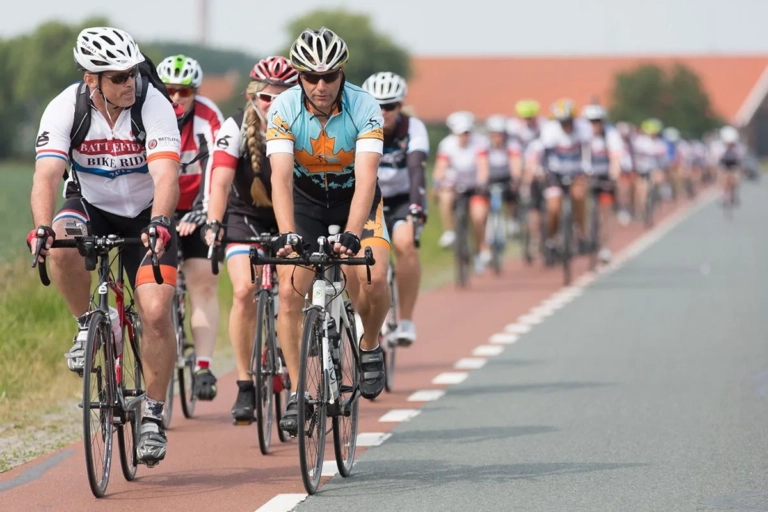
Aerodynamics plays a dominant role in cycling performance, especially at speeds exceeding 20 kilometers per hour. The rider’s body accounts for approximately 70-80% of total aerodynamic drag. Therefore, the handlebar shape, which dictates body position, is a primary determinant of speed potential. Drop bars excel in this domain by enabling a tucked posture that minimizes frontal area.
When riding in the drops, a cyclist can reduce their frontal area by up to 30% compared to an upright position. This reduction significantly lowers the energy required to maintain high speeds. On flat roads or gentle descents, this aerodynamic advantage allows drop bar riders to sustain higher velocities with the same power output. It is the reason why nearly all road racing and endurance bicycles utilize drop bars.
Flat bars force an upright posture that acts like a sail, catching the wind and creating significant drag. While this is negligible at low urban speeds, it becomes a major impediment as speed increases. A rider on a flat bar bike must exert considerably more effort to match the speed of a drop bar rider in a tuck. This inefficiency makes flat bars less suitable for long-distance road riding or group rides where maintaining pace is critical.
The following table quantifies the estimated aerodynamic drag differences and speed implications between the two handlebar types at a constant power output of 250 watts:
| Handlebar Type | Typical Rider Position | Estimated Drag Coefficient (CdA) | Avg. Speed on Flat (km/h) | Energy Cost at 30 km/h |
|---|---|---|---|---|
| Flat Bar | Upright / Arms Extended | 0.45 – 0.50 | 26 – 28 | High (100% baseline) |
| Drop Bar (Hoods) | Moderate Lean / Elbows In | 0.35 – 0.38 | 29 – 31 | Moderate (~85% of baseline) |
| Drop Bar (Drops) | Aggressive Tuck / Head Down | 0.30 – 0.33 | 32 – 34 | Low (~75% of baseline) |
These figures illustrate the tangible performance gap. Over a century ride, the energy savings afforded by drop bars can be the difference between finishing strong or exhausting prematurely. For commuters navigating city streets at lower speeds, the aerodynamic penalty of flat bars is less relevant. However, for anyone seeking fitness, speed, or distance, the aerodynamic superiority of drop bars is undeniable.
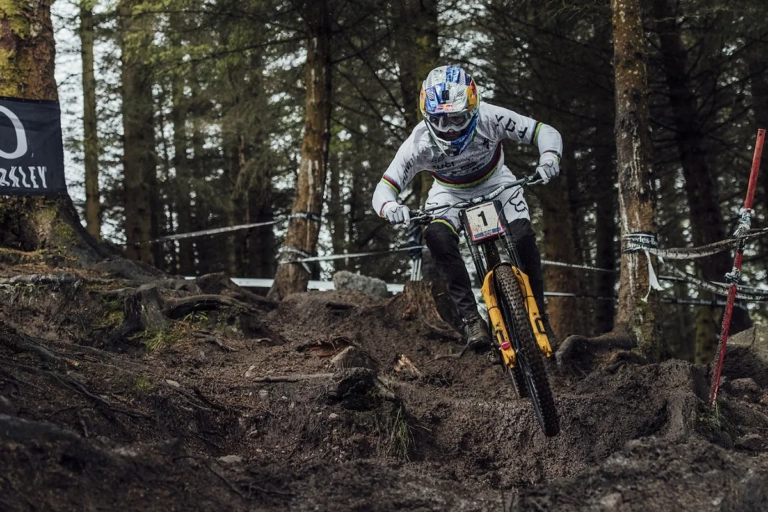
The ideal handlebar choice is deeply contextual, dependent on where and how the bicycle will be used. Flat bars dominate the mountain biking sector for good reason. The wide leverage aids in maneuvering through tight singletrack, lifting the front wheel over roots, and maintaining control on steep, technical descents. The upright position provides excellent visibility of trail features ahead, allowing for quicker reaction times.
Urban commuting presents a mixed environment. Flat bars offer superior visibility in traffic, allowing riders to see over cars and make eye contact with pedestrians. The upright posture is comfortable for frequent stops and starts. However, for commuters covering longer distances on bike paths or open roads, the lack of hand positions and aerodynamic inefficiency can become drawbacks. Some urban riders prefer “sweep” flat bars or riser bars to find a middle ground.
Touring and bikepacking traditions have long favored drop bars for their versatility. The ability to change hand positions prevents numbness on multi-day rides. The aerodynamic benefit helps when battling headwinds with a loaded bike. Yet, some adventure riders opt for flat bars with bar ends to gain additional hand positions while retaining the wide control needed for unpaved fire roads. The decision often hinges on the ratio of paved to unpaved mileage.
Fitness and recreational riding also influence the choice. Riders focused on cardiovascular workout and speed typically gravitate toward drop bars to maximize effort efficiency. Those prioritizing leisurely park rides, social cycling, or casual exploration often prefer the relaxed nature of flat bars. The psychological comfort of an upright view can make riding feel less intimidating for beginners, encouraging more frequent usage.
A prevalent myth is that drop bars are inherently uncomfortable or only for flexible athletes. In reality, discomfort usually stems from poor bike fit rather than the bar shape itself. A properly fitted drop bar bike distributes weight efficiently, often feeling more comfortable on long rides than a flat bar setup that concentrates weight on the sit bones and wrists. Flexibility improves with time, and the multiple hand positions actually reduce static strain on any single muscle group.
Another misconception suggests that flat bars are safer due to better control. While they offer quick steering leverage, the upright position exposes the rider to more wind buffeting and reduces stability at high speeds. Drop bars provide a lower center of gravity and a more stable platform when descending at speed, provided the rider is accustomed to the handling. Safety is more about skill and situational awareness than handlebar width alone.
Transitioning from flat to drop bars (or vice versa) requires an adjustment period. New drop bar users often report neck stiffness or hand numbness initially. This is usually due to using the wrong hand position or having an incorrect saddle-to-bar reach. It takes time to learn the muscle memory for shifting gears and braking from different locations on the bar. Patience and gradual adaptation are key to mastering the new interface.
Some riders believe they cannot mount accessories like lights, computers, or bells on drop bars. Modern mounting solutions have largely solved this issue. Clamp-on mounts for the handlebar stem or specialized brackets for the curve of the bar allow for secure accessory attachment. While space is more limited compared to the expansive real estate of a flat bar, strategic placement ensures all necessary gear can be accommodated without compromising ergonomics.
Selecting the right handlebar requires a honest assessment of riding habits, physical condition, and future goals. Riders should ask themselves: Where do I ride most often? How long are my typical rides? Do I prioritize speed or comfort? What is my current fitness level? Answering these questions clarifies which geometry aligns with personal needs.
For those primarily riding on paved roads, covering distances over 20 kilometers, or seeking performance improvements, drop bars are the logical choice. They offer the aerodynamic efficiency, hand variety, and biomechanical advantages necessary for sustained effort. The initial learning curve is a worthwhile investment for long-term comfort and speed. Fitness enthusiasts and aspiring racers will find no viable alternative.
Conversely, riders focusing on technical trails, short urban commutes under 10 kilometers, or those with limited flexibility may find flat bars more suitable. The intuitive control, upright visibility, and ease of use make them ideal for specific niches. If the primary goal is casual recreation or navigating complex city traffic at low speeds, the simplicity of flat bars is a significant asset.
It is also worth considering hybrid solutions. Some manufacturers offer “swallow” bars or flared drop bars that combine the width and control of flat bars with the hand positions of drops. These innovative designs cater to gravel riders and adventure tourists who need versatility. Exploring these intermediate options can provide the best of both worlds for riders with diverse requirements.
The debate between flat and drop bars is not about superiority; it is about suitability. Each design solves a specific set of problems and optimizes the bicycle for a particular type of journey. Flat bars champion control, visibility, and simplicity, making them the kings of technical terrain and casual urban riding. Drop bars reign supreme in efficiency, versatility, and speed, defining the essence of road cycling and endurance adventure.
Choosing the correct handlebar transforms the riding experience. It aligns the machine with the rider’s physiology and intentions. A mismatch leads to frustration and physical discomfort, while a harmonious pairing unlocks potential and joy. Riders are encouraged to test ride both configurations if possible, paying close attention to how their body feels after thirty minutes of riding.
Ultimately, the handlebar is the helm of the bicycle. It directs not just the path of the wheels, but the direction of the rider’s passion. Whether seeking the adrenaline of a technical descent or the rhythmic flow of a long road ride, the right bar empowers the journey. Make the choice deliberately, fit the bike meticulously, and let the handlebars guide you to new horizons with confidence and comfort. The road awaits, and the perfect grip is the first step toward mastering it.